Core Value Verification
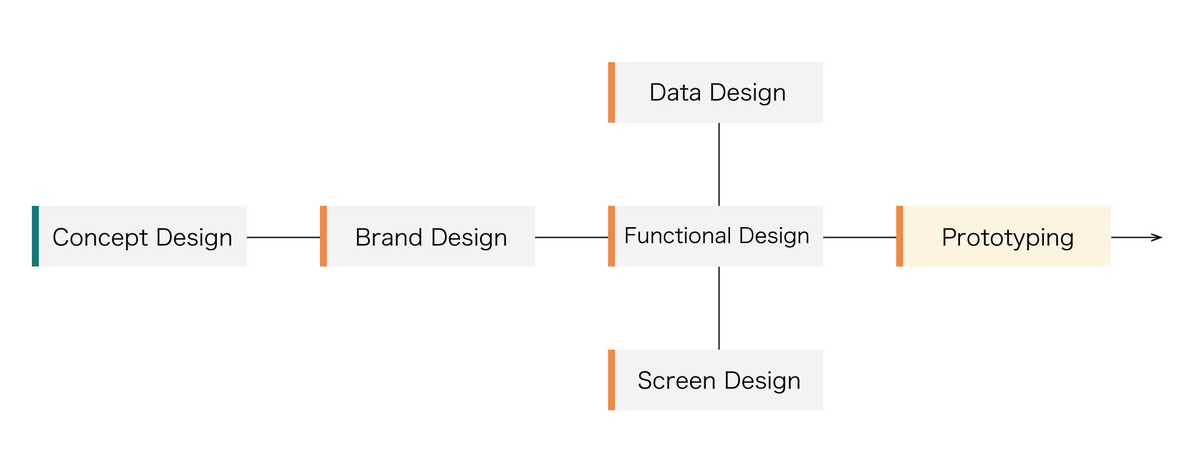
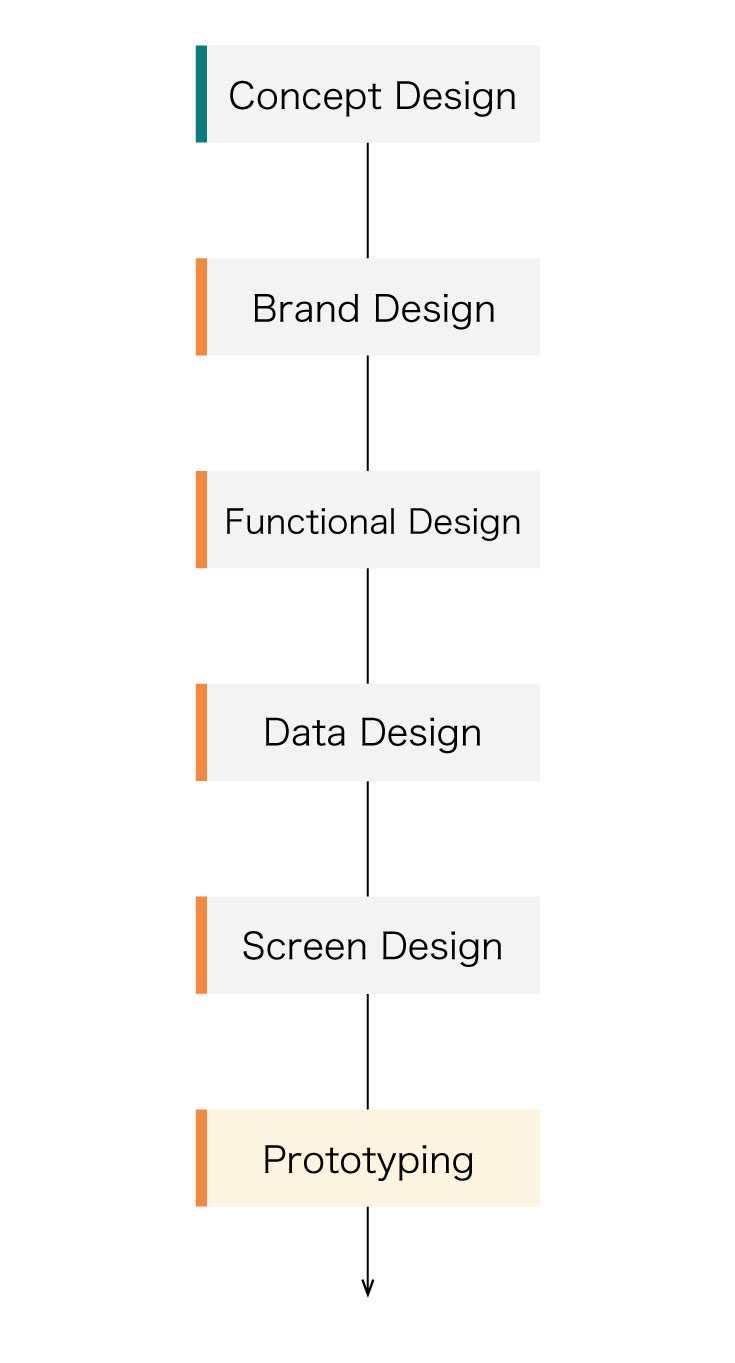
Using the completed prototype, I became the first user to test the app in real-world scenarios. The first impression here is a critical point, as it provides a genuine, no-frills assessment. No matter how much effort and cost went into development, if my immediate reaction is, “This doesn’t work,” then the service is unlikely to resonate with others.
As a Combination Notebook
As a beginner in boxing, my initial challenge was finding a quick way to record combinations I learned at the gym, thought of in daily life, or wanted to emulate from sparring videos on YouTube. For an analog solution, I considered boxing notation as a written language. However, given that boxing notation relies on staff notation input, it seemed that a simpler method of digital entry should exist. My answer to this is the SheetBoxing app.
To test whether this app could truly serve as a “combination notebook,” I chose to record combinations while watching a combination tutorial by UK Olympic boxer Tony Jeffries on YouTube. I compared the task’s duration and ease between using analog notation with a roller stamp and entering the data in SheetBoxing.
The analog method requires a notebook plus a special roller stamp, which adds complexity. However, it’s flexible, allowing for notes like, “draw the opponent’s attention by jabbing the body a few times,” as discussed in the video—a level of detail best represented with state machine-based expressions reviewed in Notation for Boxing Strategy . Currently, these concepts aren’t included in the app, as doing so could overly complicate the mental model required for its use. Given these constraints, the flexibility of analog notation with a notebook and roller stamp is advantageous.
Digital input through the app isn’t superior to handwriting in terms of convenience, but it’s comparable. Not needing to carry extra materials is a bonus, although it doesn’t match analog flexibility.
While I initially intended to determine which method was superior, I found a practical approach might be to record ideas in a notebook and log the combinations for practice and shadowboxing in the app. This natural, staged use of both methods seems realistic.
As a Guide for Shadowboxing
It’s impractical to try a newly learned combination directly in sparring. First, you must practice until you can perform it smoothly, but an unfamiliar combination can be hard to recall, especially when shadowboxing spontaneously. During boxing training, you often wear gloves and need ample space to move in all directions, making it inconvenient to check written notes.
My hypothesis is that if boxing notation can be converted to music, it could serve as a guide for shadowboxing, improving the learning experience in a way traditional shadowboxing cannot.
Two points emerged from this experiment. First, responding to audio cues to perform combinations seems feasible. I say “seems” because I’m already highly familiar with the concept of boxing notation from designing and developing it, so I might find it easier than others. However, it seems reasonable to assume that even new users could memorize the basic cues and movements with realistic practice time.
Second, the shadowboxing system works as a whole. Traditional shadowboxing, often repetitive and requiring a strong personal sense of purpose, can become mere repetition if unmotivated. Using SheetBoxing to guide shadowboxing allows for more effective practice, even if passively following cues. From personal experience, motivation is high when preparing for or just after a match, but during less focused times, shadowboxing tends to follow previously learned moves. SheetBoxing could allow users to pre-plan practice, reducing the cognitive load during sessions and making practice time more productive.
I hadn't anticipated reaching such a positive conclusion in advance. During the Assigning Sound to Notation process, I was moved by how well the sound combinations matched my vision but remained skeptical about its practical usability in guiding boxing movements. After testing it, I’m optimistic it could work for a general audience.
As considered in Shadowboxing as Kadenz, shadowboxing involves repeated kadenz cycles rather than isolated combinations. A kadenz involves closing the distance from tonic range to subdominant or dominant range and then retreating to tonic range. While the current prototype doesn’t implement this kadenz structure directly, future work will need to determine whether this concept should be embedded as a function or addressed through user customization.
In the future, using SheetBoxing could allow a coach to provide specific shadowboxing instructions beyond “imagine an opponent,” replacing vague guidance with something like, “Practice this kadenz; I’ve uploaded it to your SheetBoxing app.” Exploring these possibilities will require real-world implementation.
Results of Verification
Overall, boxing notation and the SheetBoxing app seem highly practical compared to the current boxing world, which lacks any notation system. However, as someone who has already spent time using boxing notation in a notebook, I can’t predict how general boxing enthusiasts will react to being introduced to the notation and SheetBoxing. From here, I’ll set aside my subjective doubts and prepare steadily for the release.