Notation for Boxing Strategy
Daily practice involves hitting individual punches with proper form, mastering combinations, or repeatedly practicing tactical kadenzes. However, in the context of an actual fight, determining the precise timing and manner for executing kadenzes is challenging. Therefore, it's important to develop a framework for deciding the sequence in which kadenzes should be performed during a real bout. We refer to this framework as a strategy.
Tactical feints and strategic feints
Feints are known as a technique in boxing. Although not strictly defined, it generally refers to confusing movements performed for the purpose of shifting the timing of a blow, or movements that provoke an opponent's attack. This category of feints can be called 'tactical feints'.
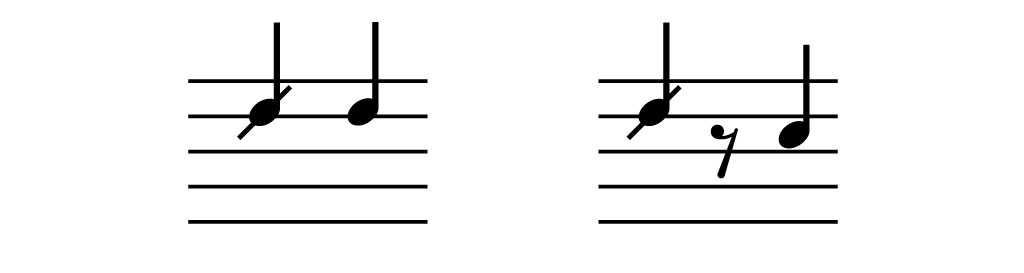
In addition to the above, another category named 'strategic feints' can be defined. These feints lead your opponent to anticipate a specific move, such as expecting a one-two in the next exchange. By creating this expectation, you can catch them off-guard and land a clean hit. Strategic feints require the use of not just one, but multiple kadenzes to build up your opponent's expectations. However, the current method of notating in sheet boxing does not accommodate the expression of multiple tactical kadenzes.
Furthermore, it seems that musical theory has not yet developed a way to express such manipulations of belief and betrayal. So we will instead use a description method from the realm of system design.
Strategy notation using state machines
When designing an IT system, you need to consider a variable conditions, beyond the simplicity of a calculator that just inputs numbers and outputs a sum. To manage these complex scenarios, organizing them into a diagram becomes essential. This necessity led to the invention of state machines.
Even for those unfamiliar with IT, understanding the concept of a state machine can be simplified by relating it to everyday examples.
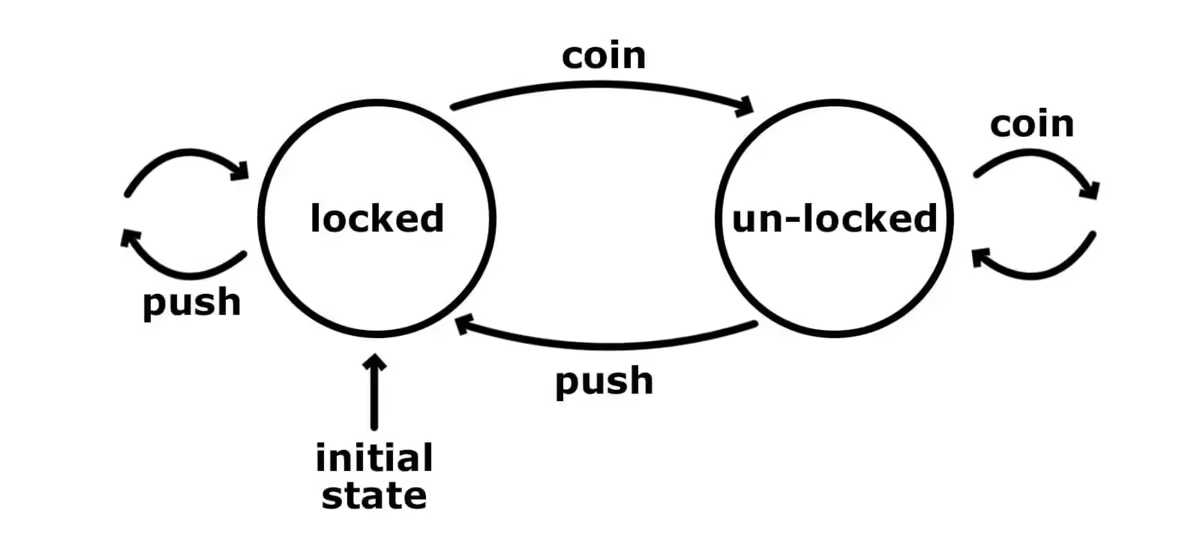
-- Cite: The Rise Of The State Machines
A state machine can effectively depict the structure of a strategic feint that initially leads an opponent to believe something, then betrays that belief. Let’s first familiarize ourselves with the fundamental rules governing state machines.
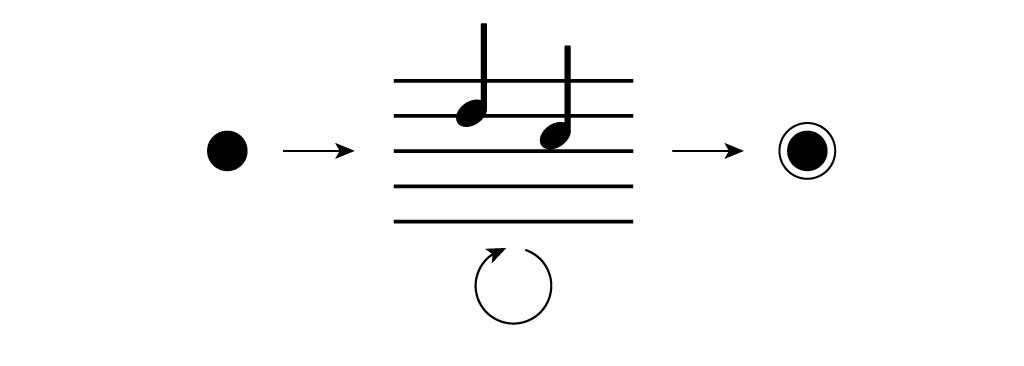
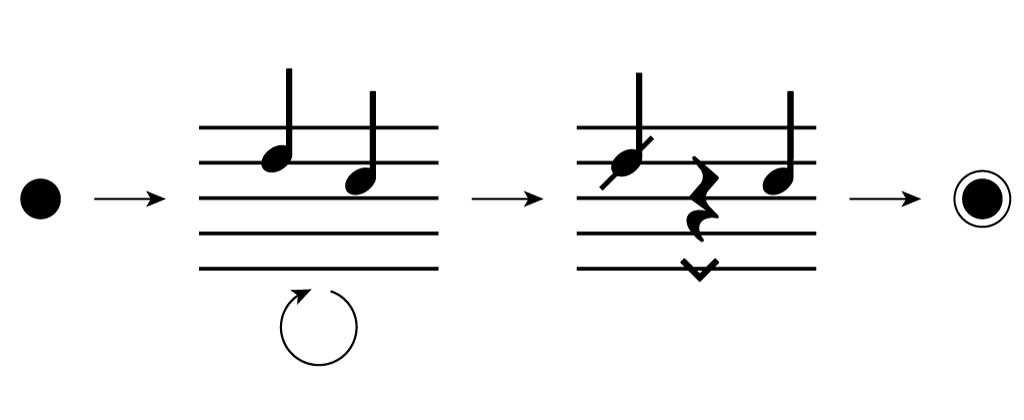
The black circle on the left represents the starting point, where a state machine initiates. The double circle on the right signifies the ending point, indicating the progression of the state machine from start to finish. Arrows within the diagram dictate the path of progression, which isn't always linear; it may branch or loop based on varying circumstances. The diagram above illustrates the player executing a one-two combination multiple times.
Types of strategies
I've categorized the strategies into five types. This representation, utilizing boxing notes and a state machine, might be unfamiliar to many. Yet, anyone with some sparring experience has likely contemplated the underlying concepts. Rather than focusing on the novelty of the notation, consider this from the perspective of identifying which known traps correspond to each of these categories.
Fork strategy
In chess, a fork is a tactic where you position your pieces so they can simultaneously threaten two of your opponent's pieces, creating a scenario where at least one of them can't escape.
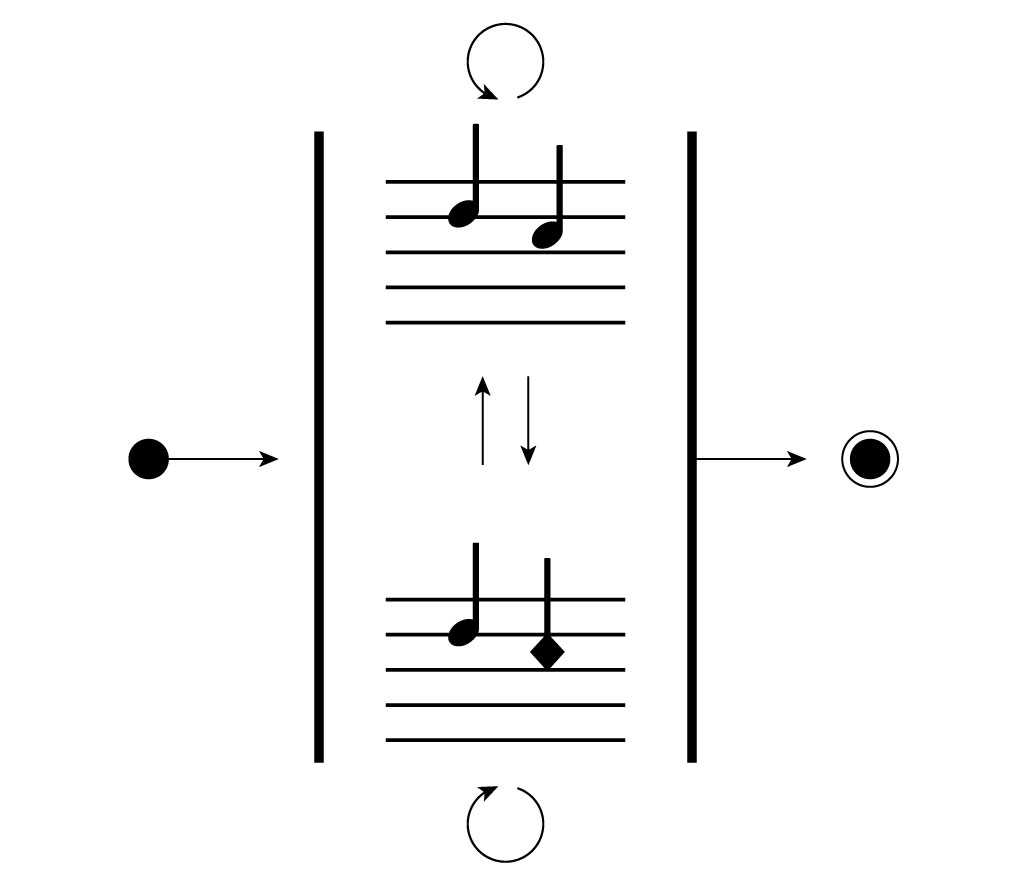
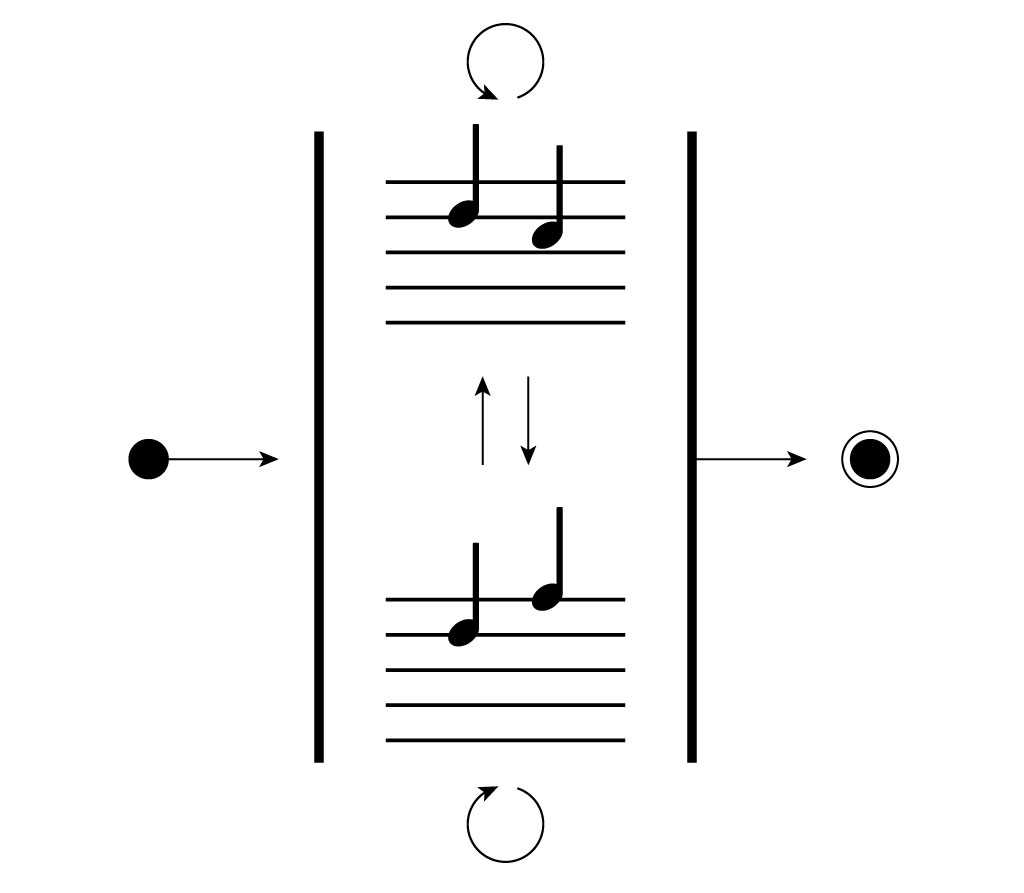
Similarly, in boxing, a fork is a strategy that presents your opponent with a dilemma between option A and B, delaying their reaction. The example strategy state machine illustrated below offers two choices: a jab or a lead hook.
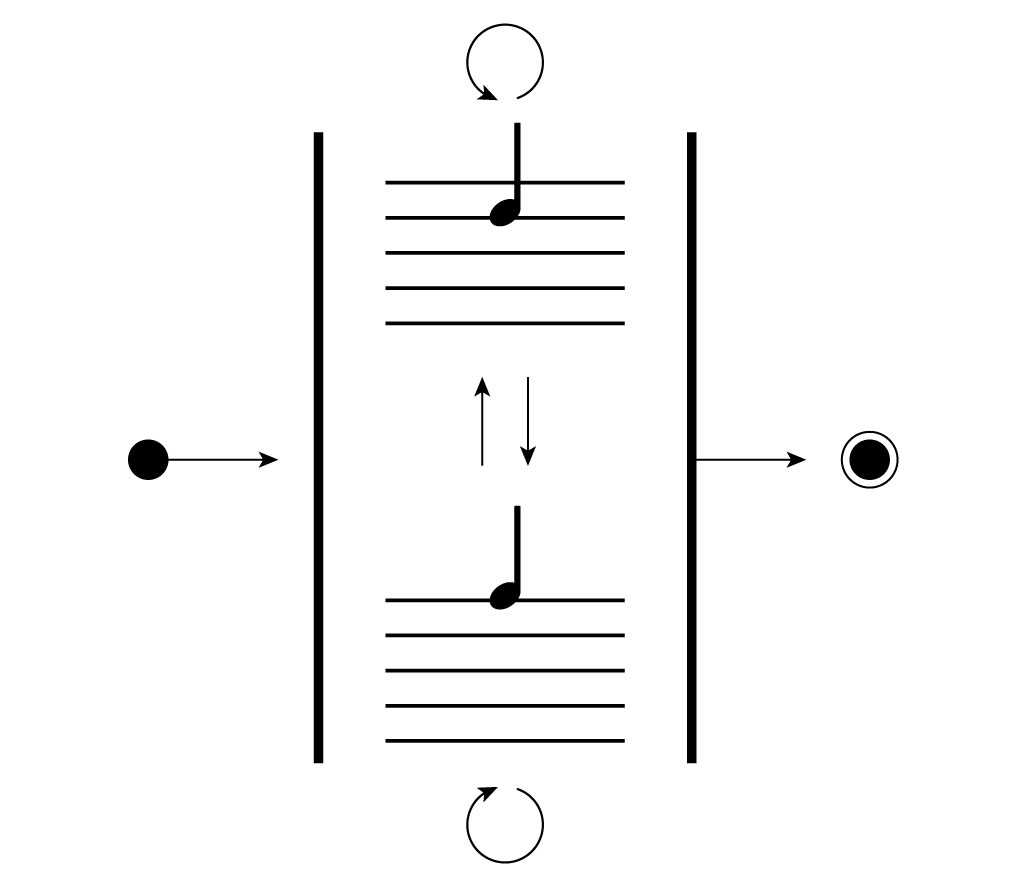
The strategy state machine below represents two options for targeting with a straight right in a one-two combination: either aiming for the head or the body.
The strategy state machine shown below outlines a strategy that initiates with a jab as part of a two-shot combination, followed by either a straight or a lead hook for the second shot.
Third blow strategy
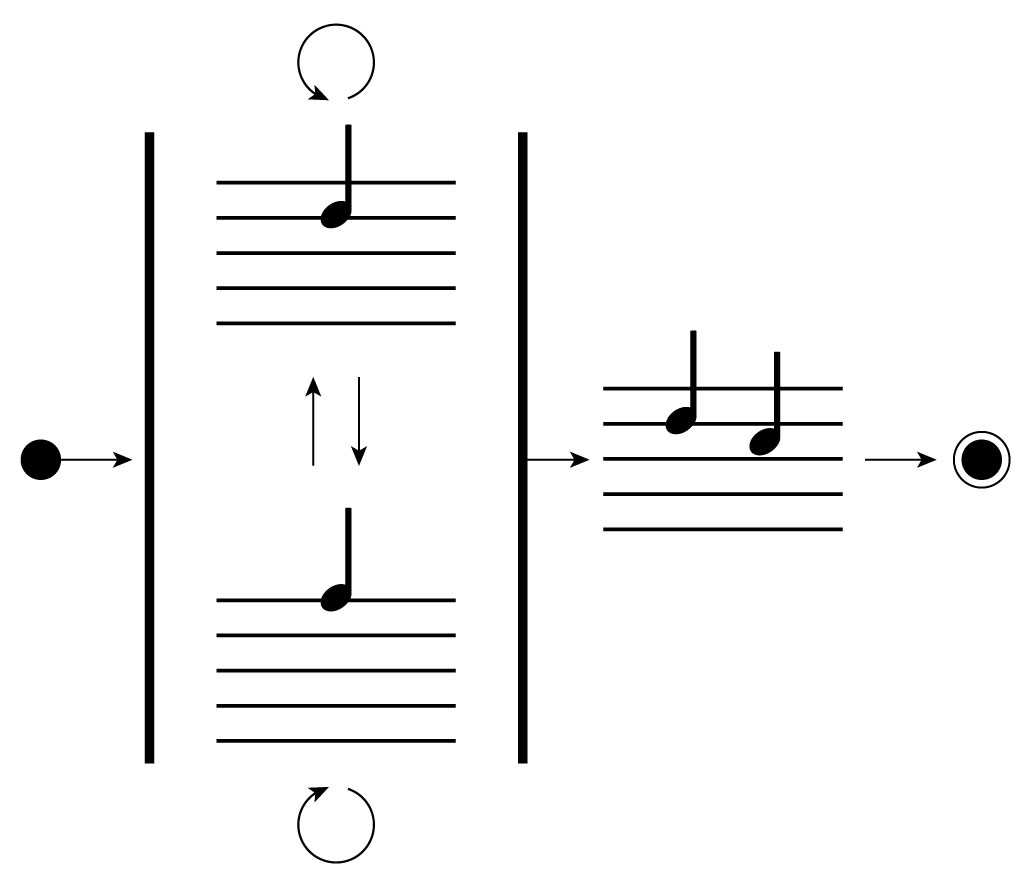
The third blow strategy involves launching an attack with a third combination, distinct from the two options initially presented to the opponent, catching them off guard in the moment of their decision-making.
The example below demonstrates a strategy where the opponent is compelled to choose between a jab and a lead hook. Then, capitalizing on their moment of indecision between these two options, an attack is launched with a one-two combination.
The example below is a strategy that presents two options for a one-two: a straight shot to the head and the body, and then a jab followed by an overhand.
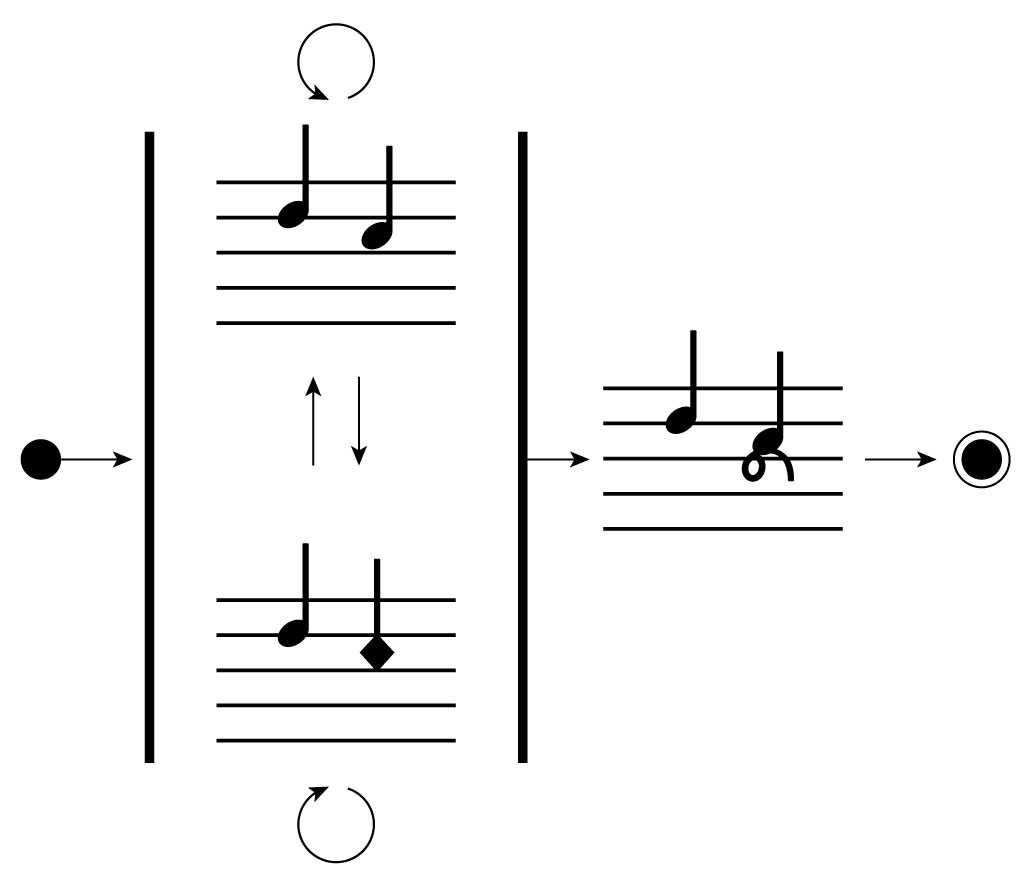
The strategy described below is designed to create confusion for your opponent between a straight jab and a lead hook. Then, when the opponent moves their glove to protect the lead hook, the strategy involves striking with a lead uppercut.
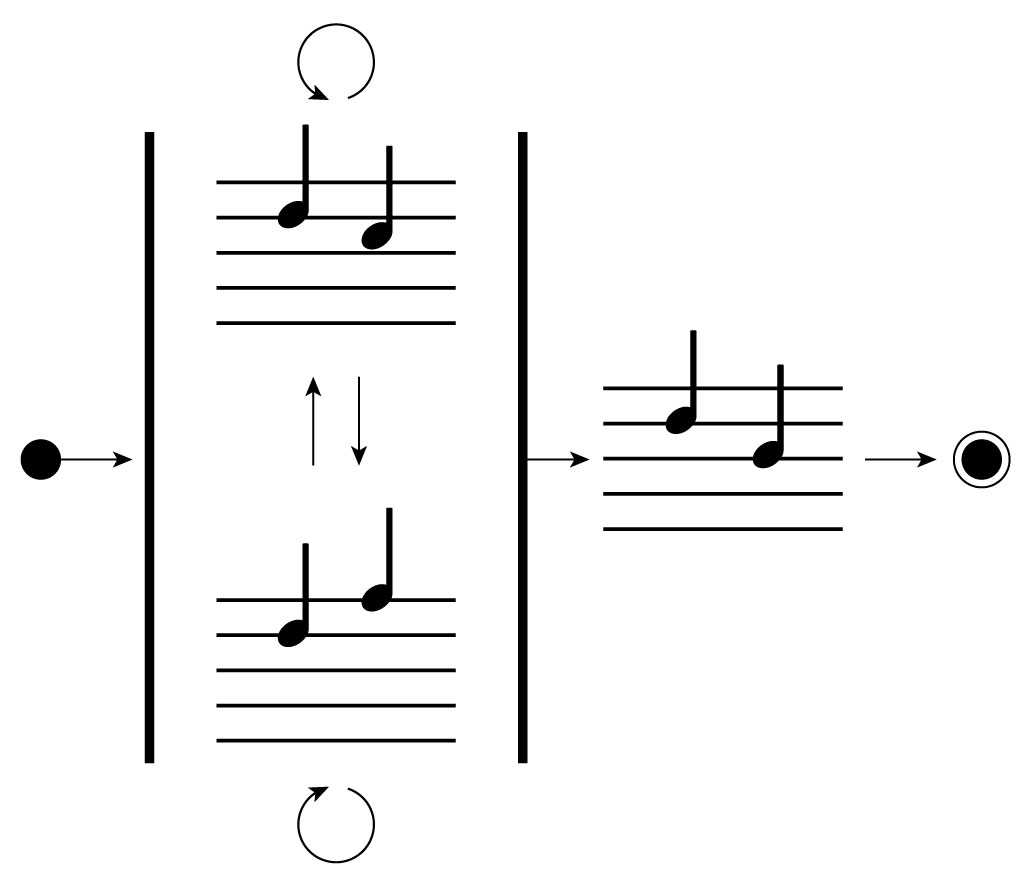
Practical use of strategies
In practical application of the strategic state machine during actual combat, it's important not to rigidly follow the sequences listed as sheet boxing. Instead, supplement them with suitable combinations before and after, ensuring that each movement forms a coherent tactical kadenz. For instance, in considering the real-world use of the previously mentioned third blow strategy, here's an example of what NOT to do.
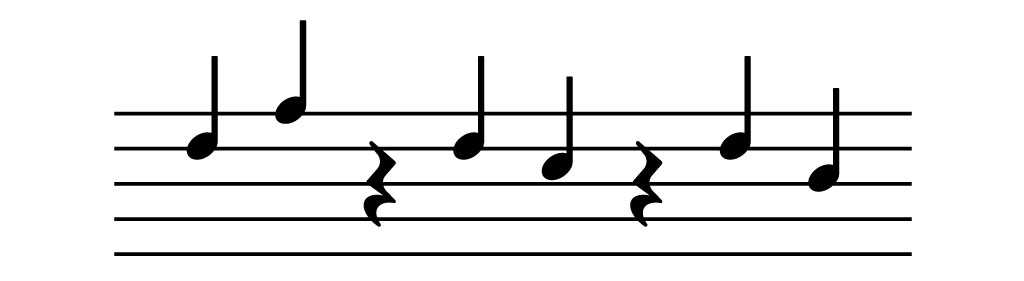
In this manner, rather than merely executing the boxing notes as depicted on the strategy state machine, it's vital to enhance their effectiveness in real combat. This is done by adding combinations before and after the noted sequence, transforming them into practical tactical kadenzes. Below is an example of how to do this correctly.
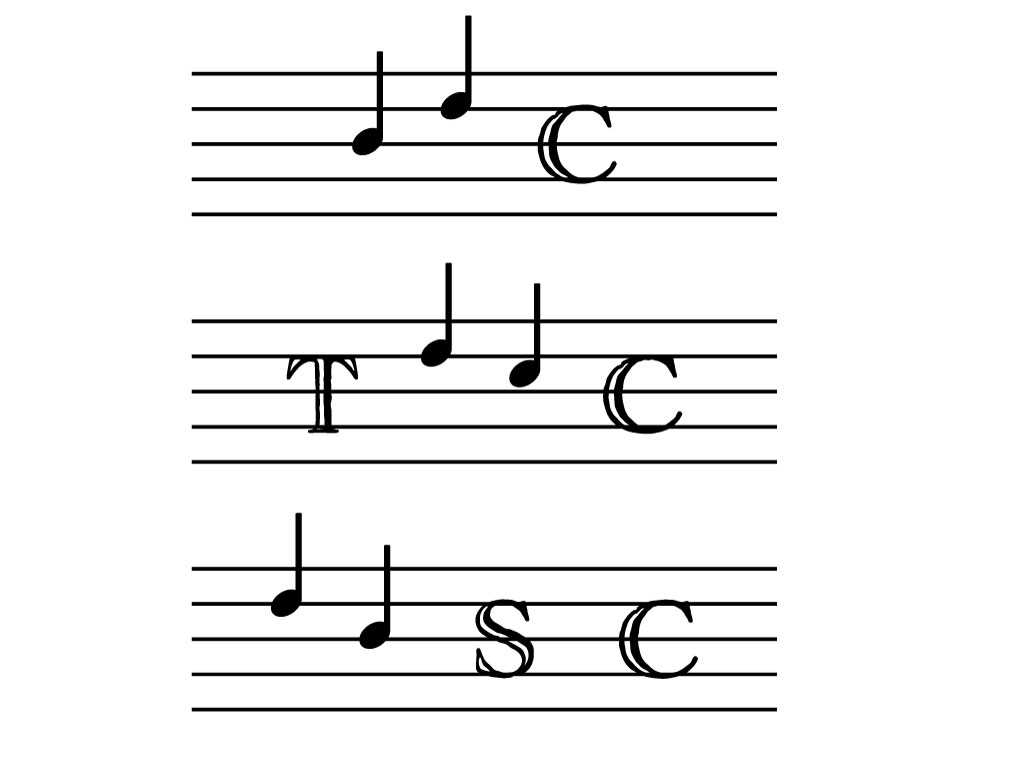
Augmentation strategy
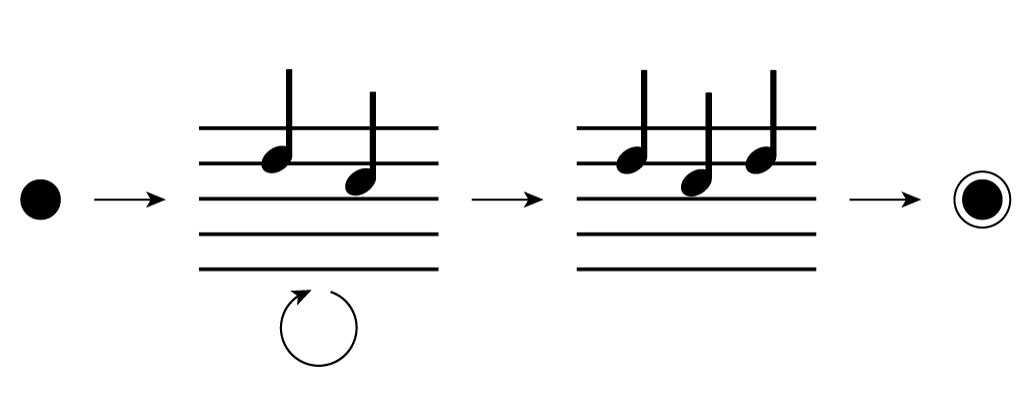
An augmentation strategy is designed to outmaneuver your opponent's predictions by suddenly intensifying or expanding your combinations. Thus, it entails conditioning the opponent to be cautious of a specific combination, and then surprising them with an escalated version of that very combination.
In the example below, the tactic involves making the opponent cautious of the jab, and then capitalizing on this by attacking with a one-two.
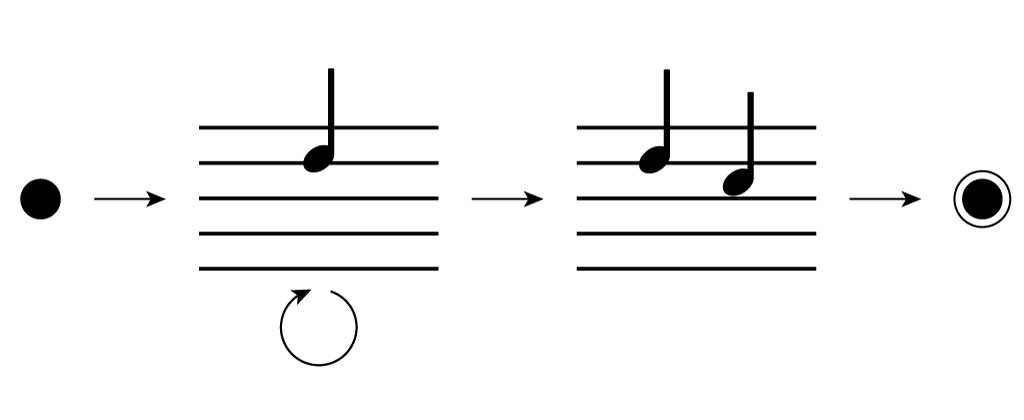
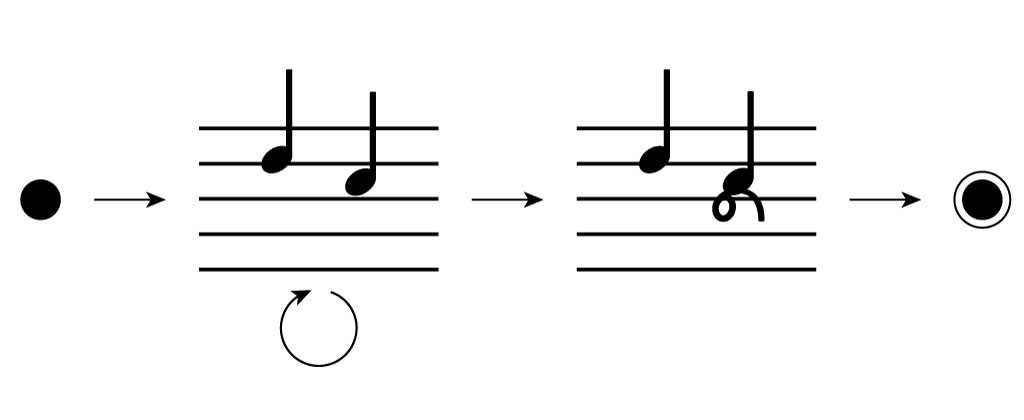
In the example below, you will make the opponent cautious of a one-two, and follow the one-two with a jab.
Sideway strategy
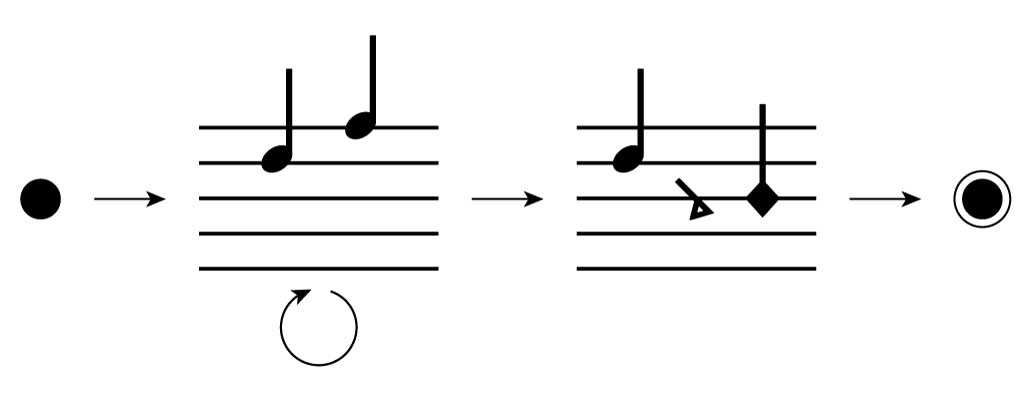
In the sideway strategy, the opponent is led to feel threatened by a specific combination, prompting a defensive response. Subsequently, a different yet similar attack to the original combination is employed to outmaneuver the opponent and circumvent their defense.
In the example below, you threaten your opponent with a one-two, forcing him to guard in front. Then, use an overhand to slip through the front guard and land a punch.
In the example below, you make your opponent wary of the lead hook, and when the opponent concentrates on defending on one side, you duck to the other side aiming for the body.
Pretender strategy
You feign being an unskilled player. Essentially, this strategy involves making deliberate moves that signal your intentions to the opponent, leading them to form a specific prediction. Then, you outwit them by executing a maneuver that diverges from what they were led to expect.
The subsequent pretender strategy involves conspicuously signaling an intent to execute a one-two, thereby provoking the opponent's counterattack at the end of your strike. Once you've successfully blocked this, you're then in a position to effectively counterattack your opponent.
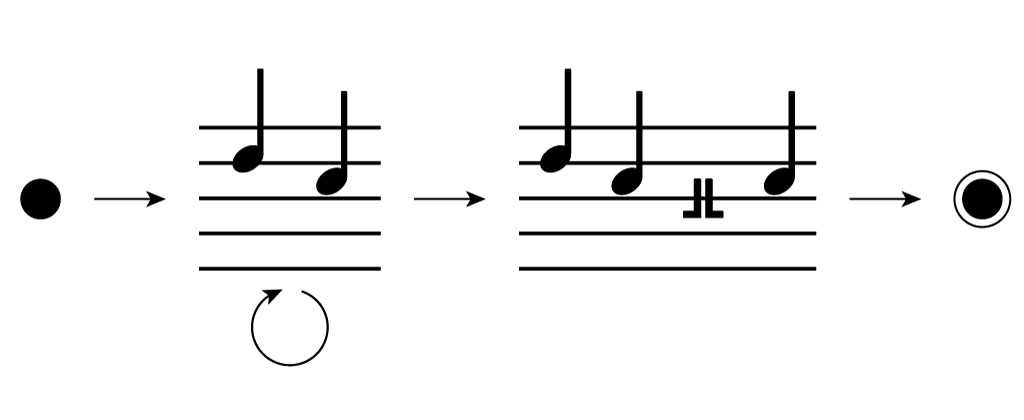
Similarly, the next pretender strategy involves leading your opponent to believe you're going for an obvious one-two, thus inducing a counterattack. By then taking a backstep and creating distance, you place yourself out of the opponent's straight punch range, positioning you to return a straight punch of your own.
Sideway strategy and pretender strategy
Both the sideway and pretender strategies share a similar state machine structure and, in some cases, have almost identical movements. However, the critical distinction lies in the opponent's perception. In the sideway strategy, the opponent feels menaced by the combination, prompting a more passive defense. In contrast, the pretender strategy is predicated on the opponent underestimating the threat, leading to an aggressive counterattack. While differentiating between two similar strategies based on the opponent's reaction might seem vague, any boxer with sparring experience understands the tangible psychological dynamics of superiority and inferiority in relation to an opponent. This understanding is crucial when distinguishing between sideway and pretender strategies, as highlighted in Mapping of Strategies.
The names and descriptions of the strategies outlined above are not universally recognized. The aim of this series is to utilize boxing notes and state machines to visually represent tactics and strategies in a way that hasn't been conventionally expressed in written form.
I encourage a critical evaluation of the content presented. Additionally, I suggest utilizing boxing notes as a tool to systematically organize and analyze your personal experiences in boxing.
a prototype and variants of a combination
In the strategy discussions, the underlying assumption has been that repeating the same combination can lead to predictable responses from the opponent. However, in real-world scenarios, this repetition can be perilous, as it might enable the opponent to launch a counterattack before they have fully developed a prediction. Therefore, it's essential to implement tactics that thwart the opponent's ability to counter during the prediction-formation phase. For illustration, consider a situation where a one-two sequence is repeatedly used to lay the groundwork for either an augment strategy or a sideway strategy.

Initially, a standard one-two is termed a 'prototype.' Repeating this exact action poses a high risk of a counterattack, so a modified version of the attack is used, named as a 'variant.' Variants can be exemplified in several ways: (1) incorporating a casual jab before the prototype, (2) altering the timing by adding a tactical feint to the first part of the combination, and (3) executing it at a safe distance to avoid any counterattack.
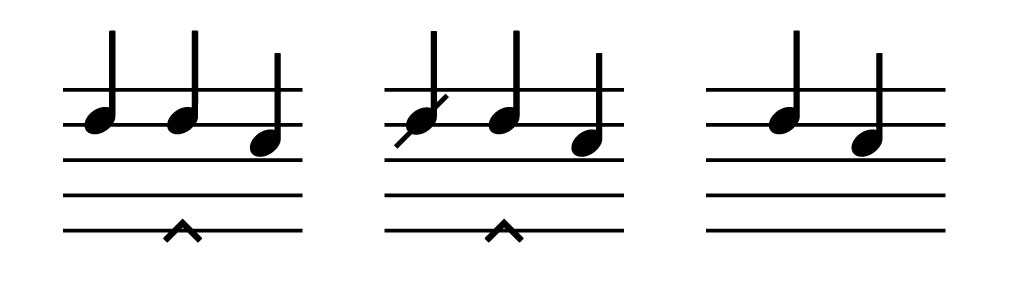
If you're facing a beginner boxer, demonstrating the same combination twice can effectively set up a prediction, allowing you to execute a strategic feint on the third attempt. Conversely, with intermediate and advanced opponents, who often counterattack on the second try, it's crucial to assess how many repetitions are needed to establish a prediction. Additionally, when repeating a combination, selecting the appropriate variant is key to avoid being countered.