Applying Theory in Practice
Up until now, our focus has been on developing notations for combinations, tactical kadenzes, and strategic state machines. This article aims to concretely apply these concepts to everyday training practices.
When applying these ideas, consider the following sequence: 1) the desired boxing style, 2) strategic state machine implementation, 3) tactical cadence, and finally, 4) the specific combination to use.
Deciding on boxing style
Given my relatively slender physique and long reach, I intend to practice what's known as an outboxing style, emphasizing the jab while looking for opportunities to land stronger punches. In line with the theory outlined in this series, my goal is to adopt a fighting style that primarily revolves around maintaining tonic distance, with occasional ventures into subdominant distance.
Incorporating into a strategy state machine
Attempting to memorize numerous strategies all at once can be overwhelming, so I plan to gradually embed them into my memory. This time, focusing on the essential combinations, I'll explore strategies that are well-suited for Type II, Type III, and Type IV combat situations. This approach aligns with the concept of Mapping of Strategies. I will select and detail three strategic state machines for practical use, ensuring they can be effectively incorporated into my training.
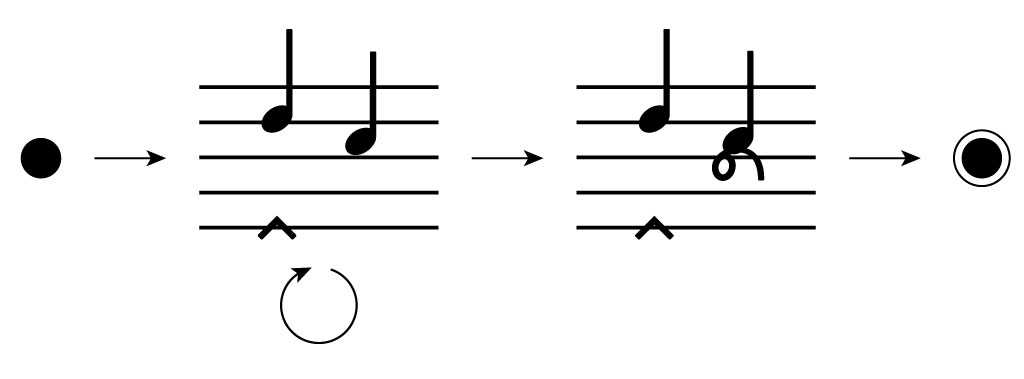
Strategy ①: Sideway strategy based on a one-two for type II combat situation
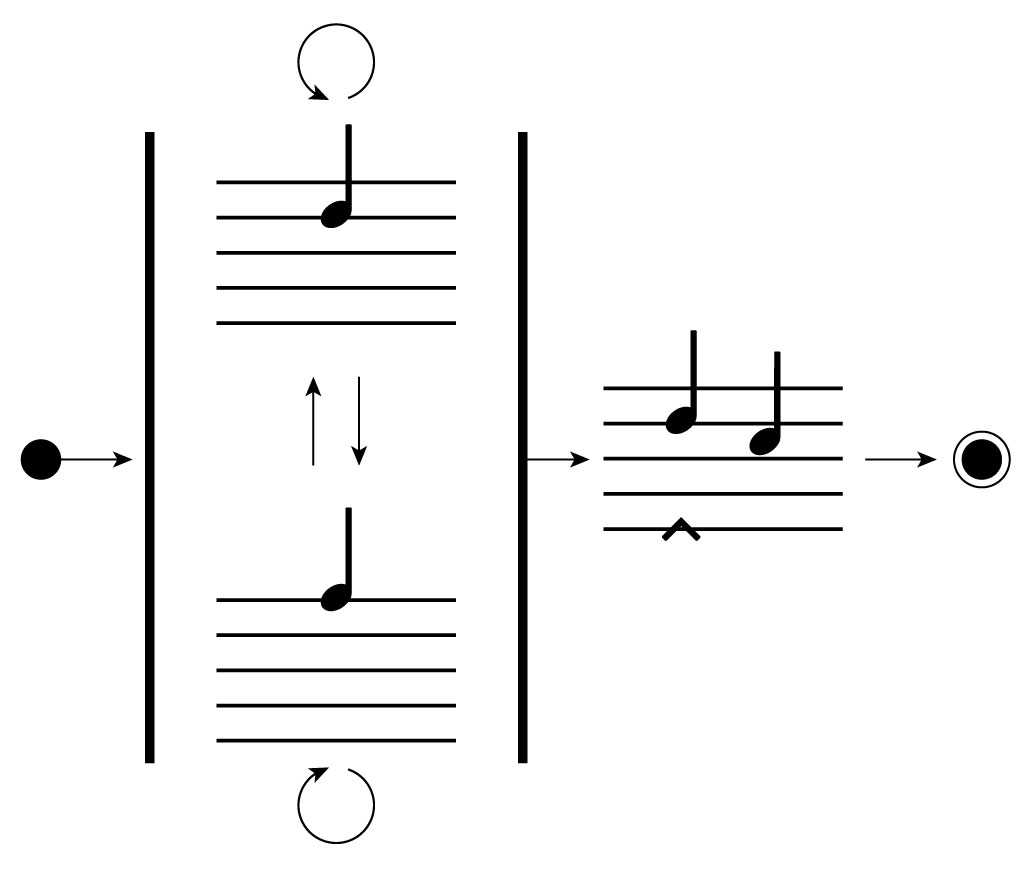
Strategy ②: Third blow strategy based on a jab for III-type combat situation
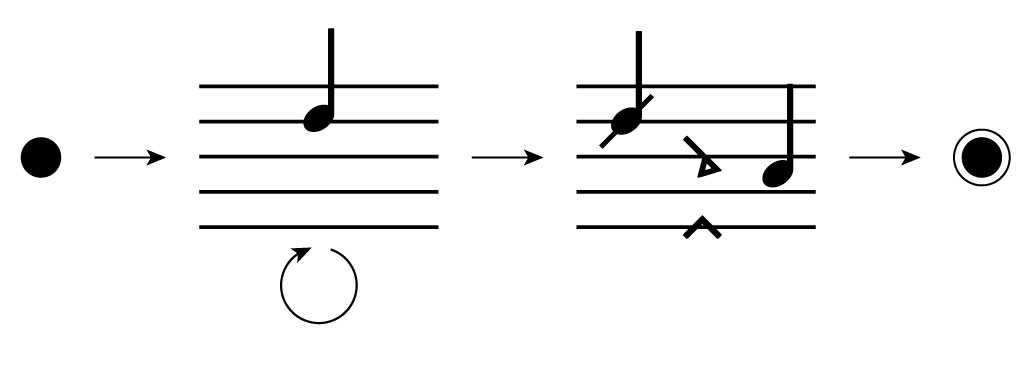
Strategy ③: Pretender strategy based on a jab for type IV combat situation
Incorporation into tactical kadenzes
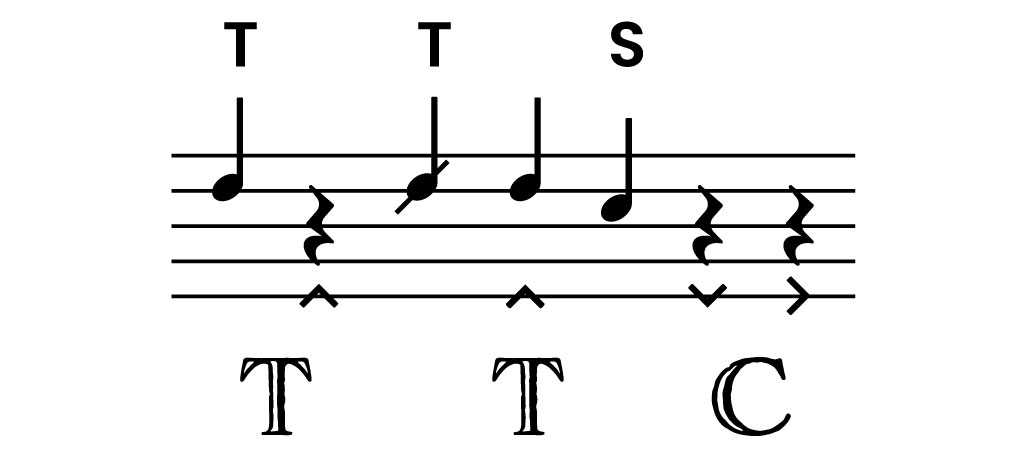
Tactic ①: This is a kadenz centered on a one-two that is necessary as the prototype of Strategy ① and as a finishing combination for Strategy ②.
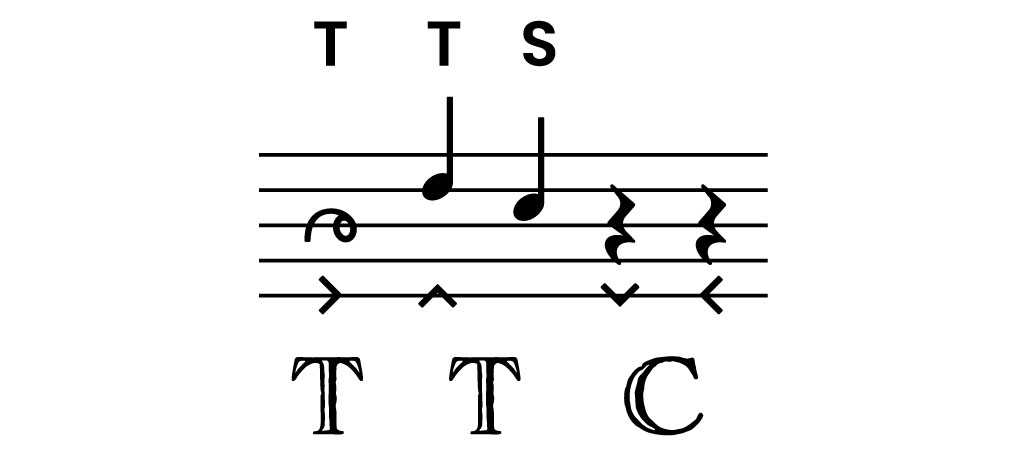
Tactic ②: Similar to Tactic ①, this is a kadenz centered around a one-two that is necessary as the prototype of Strategy ① and as a finishing combination of Strategy ②.
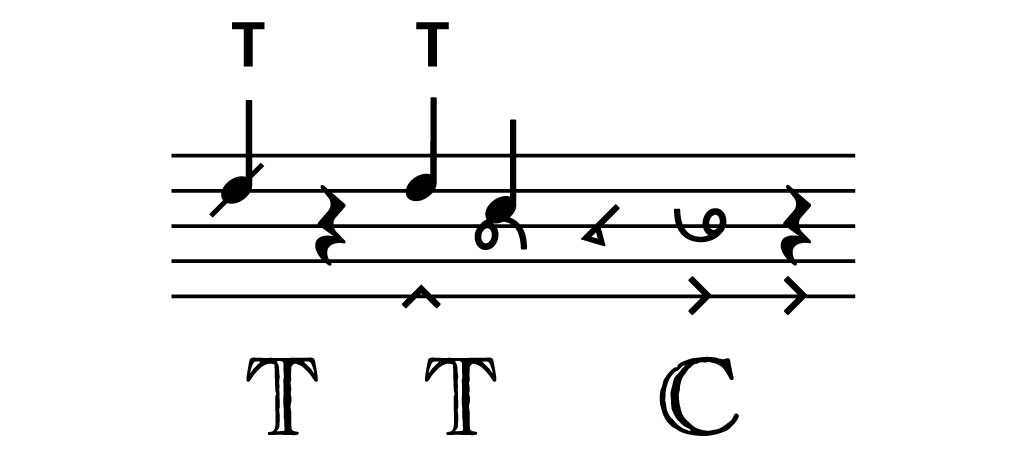
Tactic ③: A kadenz centered on a jab followed by an overhand straight, which is the finishing blow of Strategy ①.
Building on the aforementioned strategies, I also aim to practice effective combinations for Type I combat situations, particularly when there's an opportunity for a knockdown. Therefore, I will incorporate the following kadenz into my training regimen as well.
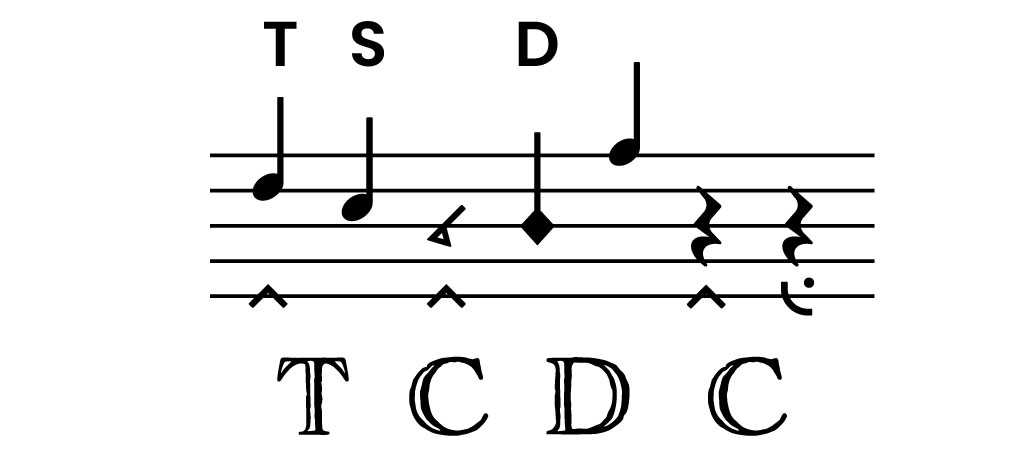
Tactic ④: A kadenz including combinations to perform as a rush combination in Type I combat situation
Combinations to learn
Pick up combinations that play an important role from among the tactical kadenzes.
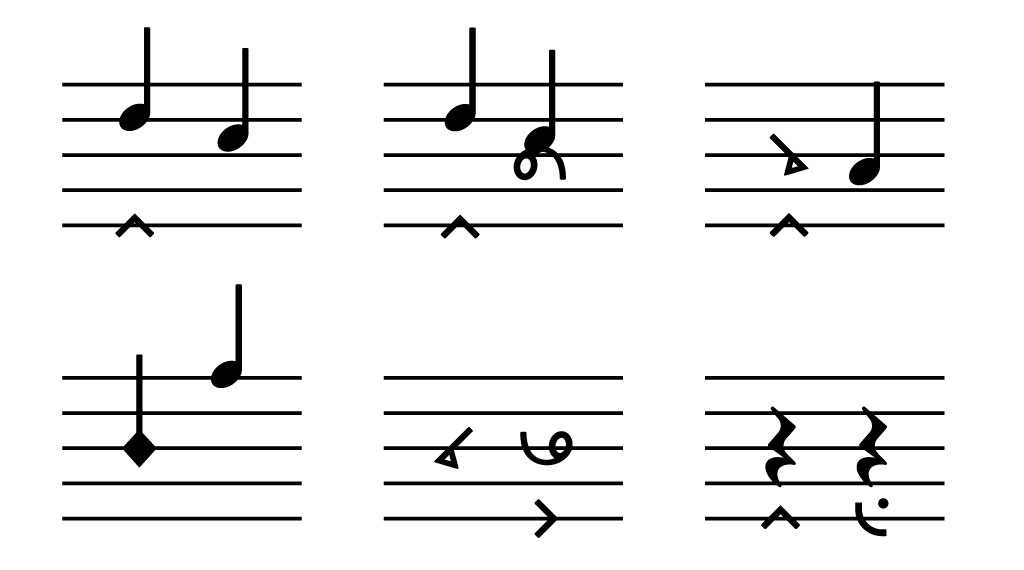
Prepare practice cards
I've opted to consolidate the tactical kadenzes and key combinations into a single card for easy reference before practice and as a quick guide during shadow boxing at the gym. By consistently reviewing and mastering the content outlined in these cards, I aim to attain the boxing style I initially envisioned.
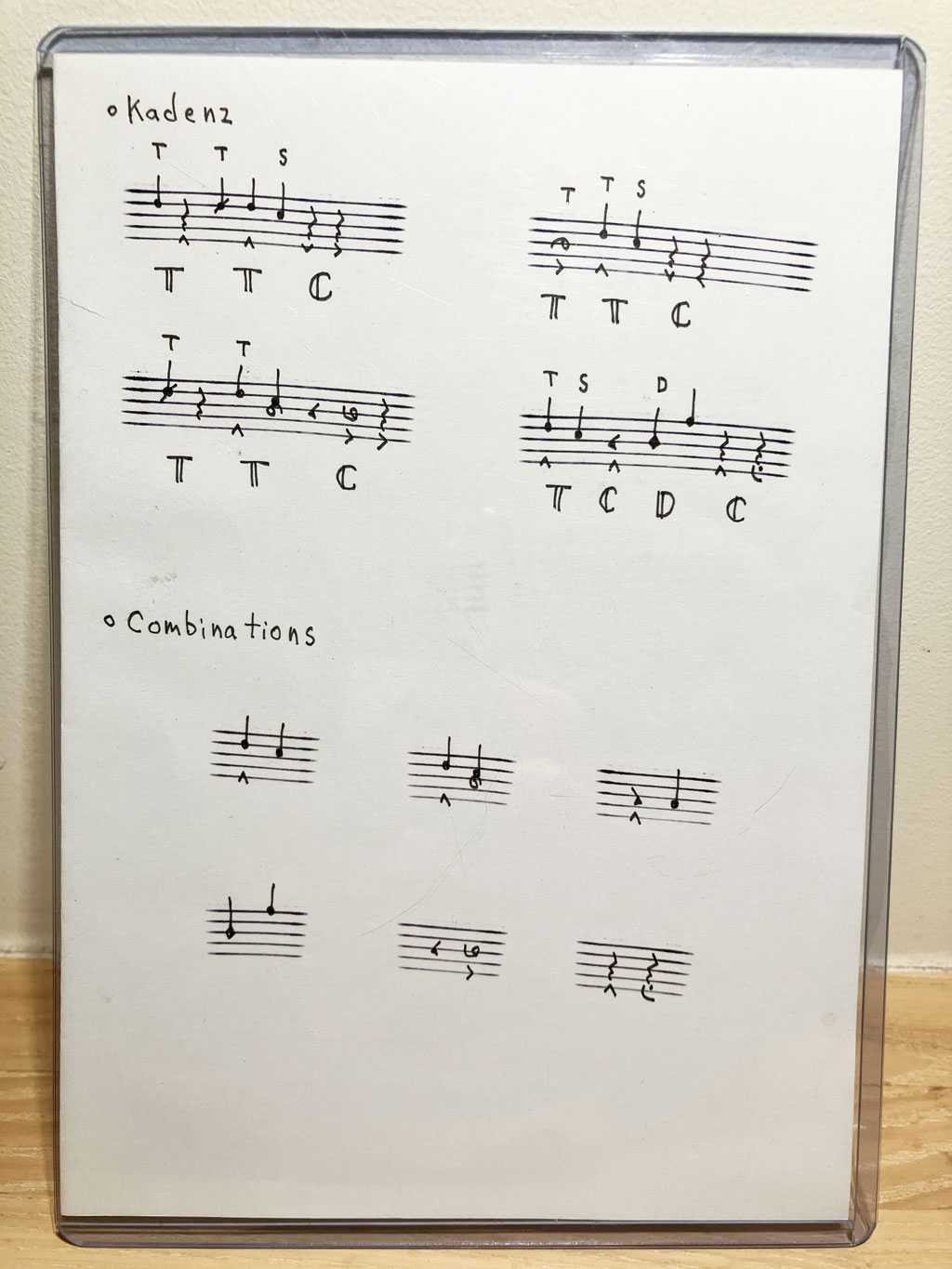
As outlined above, I have successfully translated my targeted boxing style into tangible daily practice routines. Regularly updating the practice cards, perhaps on a weekly basis, will foster a cycle of continuously evaluating the techniques I need and integrating them into specific practice tasks.
Until now, we've laid the foundational aspects of boxing theory utilizing sheet boxing. Moving forward, the subsequent series will investigate various boxing training styles, employing web apps as a tool to more efficiently translate this theory into practical application.
