"K3!D-2!" Shouted Cornerman
During sparring sessions at the gym, trainers offer guidance from the ringside. Having listened to them for about a year, I've noticed their advice usually boils down to just a few key points: 'Land the jab before your opponent does,' 'Keep moving your head,' and 'Target both the body and the head.' Observing professional fights in videos, the coaching doesn't seem much different. It's understandable that complex instructions might not be comprehended by someone intensely engaged in the midst of a bout.
However, I believe the reason trainers often resort to such straightforward advice is because the concepts in boxing lack appropriately defined terminology.
Considering the diverse specialized fields humans have developed, it's evident that especially in areas dealing with highly abstract matters, detailed names are assigned to distinguish subtle differences. To those outside the field, such naming might appear overly intricate, but for practitioners within the field, these distinctions are essential for precise communication.
I believe there's a need for more precise naming of concepts within the world of boxing. In this regard, let's delve into the naming of various boxing combinations.
Taxonomy of combinations
The trainer at the gym I go to likes to compare boxing to chess. I don't think there are any particular similarities between boxing and chess, but it's worth noting that the various tactics that have been found effective in the chess world are carefully named. "The Queen's Gambit" has become famous as the title of a broadcast drama about chess, but other tactics have names such as "Ruy Lopez" and "Sicilian Defense". These names, stylish and cool as they sound, lack a systematic naming convention, making them unsuitable for comprehensive categorization. However, for labeling particularly notable patterns, this approach could be quite fitting.
For a comprehensive naming system that encapsulates subtle variations in boxing combinations, it seems prudent to draw inspiration from taxonomy, which has adeptly managed the diversity of living organisms. However, given that biological classification relies on an extensive tree structure encompassing 'domain, kingdom, phylum, class, order, family, genus, and species,' deciphering an analogous tree structure for the taxonomy of boxing combinations presents a significant challenge.
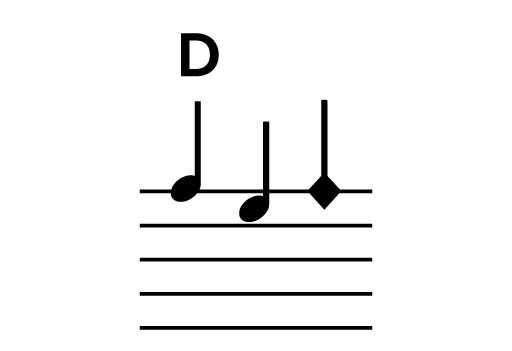
In this article, to underscore the importance of precise naming, I propose a straightforward method of numerically sequencing combinations as an example. We'll categorize the combinations presented in Combinations by Distance, assigning numbers to them based on their respective distances.
Note that the combination table displayed below serves as an ad hoc example. Even when assigning numbers in a straightforward manner, it's crucial to predefine criteria such as the standards for number allocation and the method for numbering new combinations, to ensure practical utility.
| ID | Combination |
| T-1 |
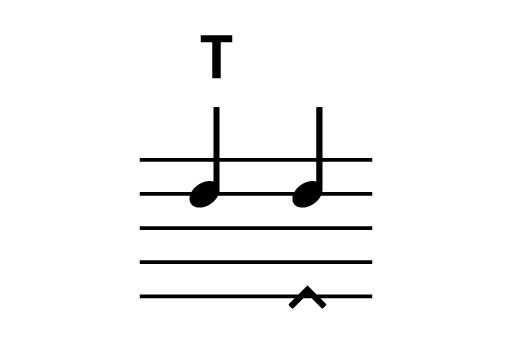
|
| T-2 |
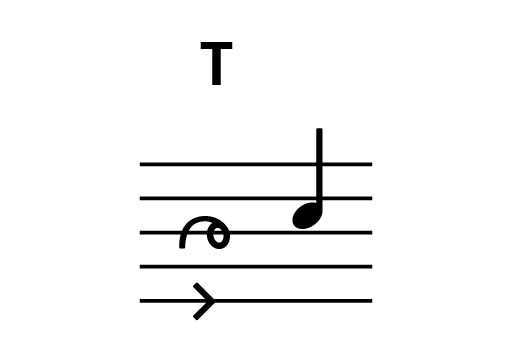
|
| T-3 |
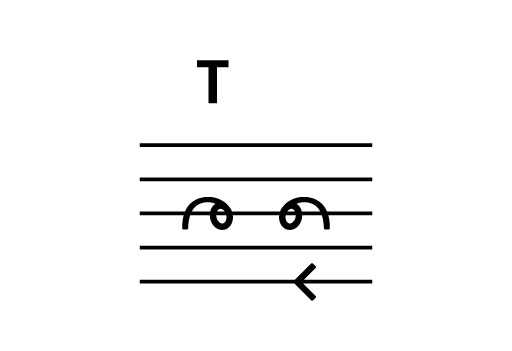
|
| S-1 |
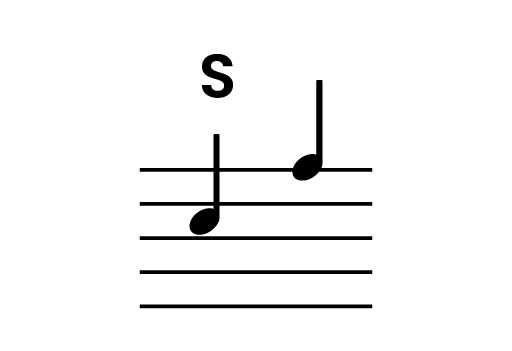
|
| S-2 |
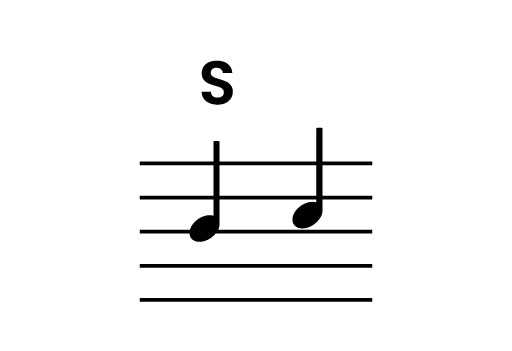
|
| S-3 |
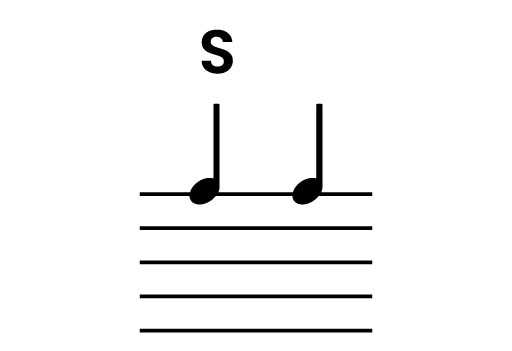
|
| D-1 |
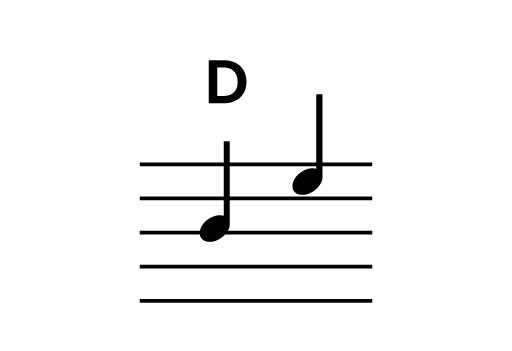
|
| D-2 |
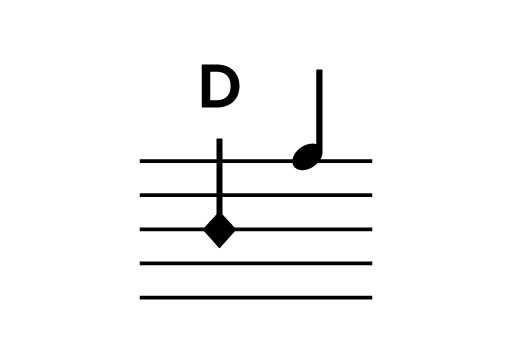
|
| D-3 |
|
Cornerman at 2050
You might question the utility of simply assigning names to combinations. Yet, imagine if future boxing gyms were to develop an extensive catalog of effective combinations, akin to the number table above, and this system becomes widespread among trainees. Such a table could evolve into a common language. This means combination numbers could be communicated verbally, without physical demonstration. For instance, during a match, a cornerman could shout 'T-3!' instead of saying 'Move your head'.
Even more intricate instructions could be succinctly communicated verbally. For instance, instructing a fighter to 'aggressively close in on your opponent and then deliver a left hook from a left body stance' translates to executing the D-2 move in a K3 tactic. By 2050, cornermen might be shouting commands like 'K3! D-2!' While this might sound like arcane incantations at first, it's akin to sitting in a conference within an unfamiliar field where jargon flies over your head. However, with time and immersion, one would naturally become accustomed to this specialized language.