Assigning Sound to Notation
Unused Auditory Channel
After I started going to a boxing gym myself, my way of watching boxing matches changed. One major shift was watching without sound. Audiences react to moves that aren’t technically significant, or cheer “Whoa!” even when a boxer’s defense is solid. Watching match videos without audio helps focus calmly on the boxing itself.
In retrospect, when viewed from a competitor's perspective, hearing plays a limited role in boxing. During sparring, advice may come from outside the ring, but in shadowboxing, hearing is rarely used. Put differently, the auditory channel in boxing is pretty “wide open.”
In this article, we’ll explore a new approach to boxing that utilizes this open auditory channel. Specifically, we aim to transform shadowboxing by converting boxing notation—a system adapted from musical notation—into auditory information.
Boxing Movements as a Three-Piece Band
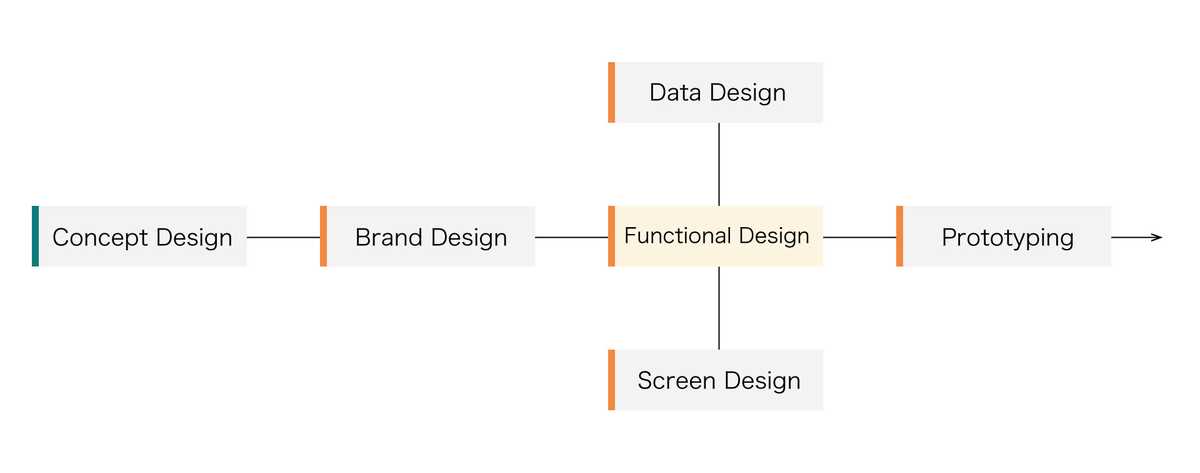
First, let’s examine the relationship among offense, defense, and stepping in boxing. Whether throwing a punch while stepping or defending while moving laterally, or even combining an overhand with a head slip, it’s clear these three elements can coexist. However, there are also instances where one may punch, backstep, or block independently. From this, we should consider these three elements as logically independent, combining to create a single boxing action.
Design Principle: A boxing movement consists of three independent elements: offense, defense, and stepping.
This idea forms a foundational concept to revisit in design. Viewing boxing actions as composed independently of offense, defense, and stepping means, musically, they can be seen as three separate voices or parts. In music, these parts could be soprano, alto, and tenor, or in a band, the vocals, guitar, bass, and drums. Boxing movements can thus be compared to a three-piece band of offense, defense, and stepping.
Assigning Sound to the Offense Part
Starting with offense, a natural idea is to assign a melodic instrument like piano or guitar, given that Sheet Boxing is adapted from musical notation.
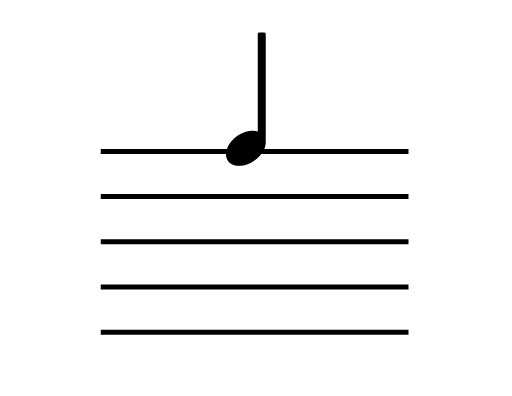
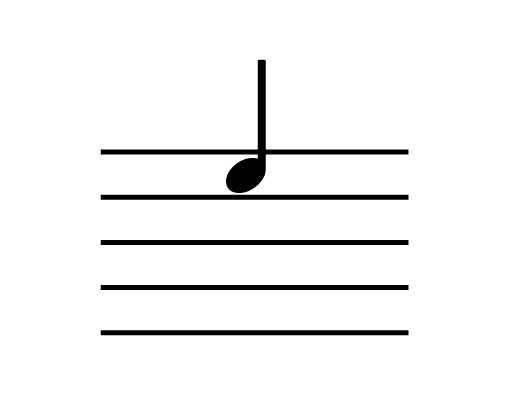
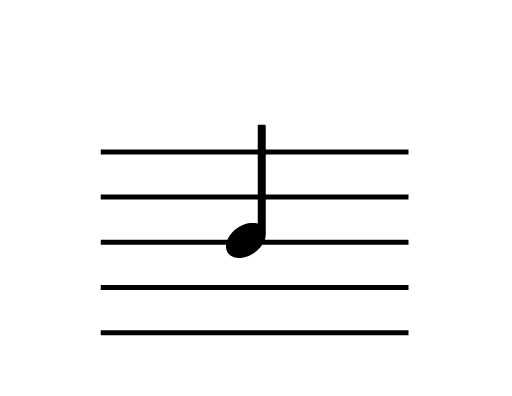
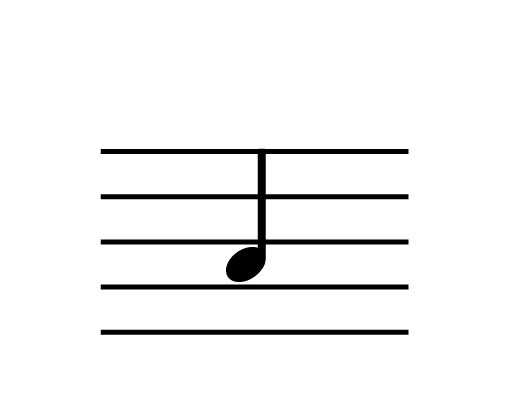
Since even the same punch could target the head or body—represented as separate symbols in the Score—we can use different instruments for these targets. For example, attacks to the head could use piano, and attacks to the body could use guitar.
| Action Name | Score | Sound |
Jab (Lead Straight) |
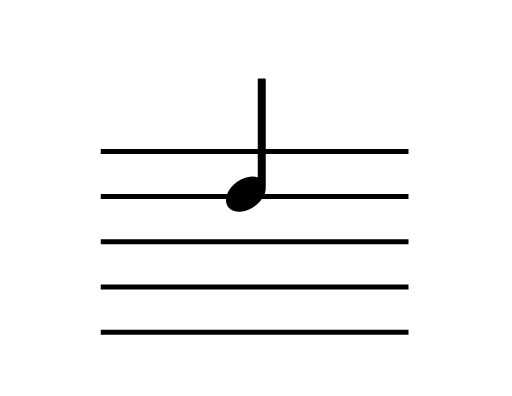
| |
Straight (Rear Straight) |
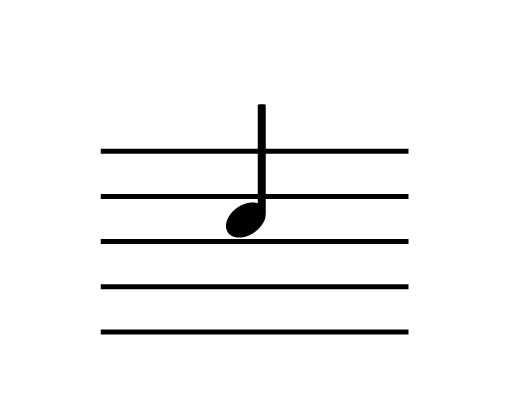
| |
| Lead Hook |
| |
| Rear Hook |
| |
| Lead Uppercut |
| |
| Rear Uppercut |
| |
| Lead Straight - Body |
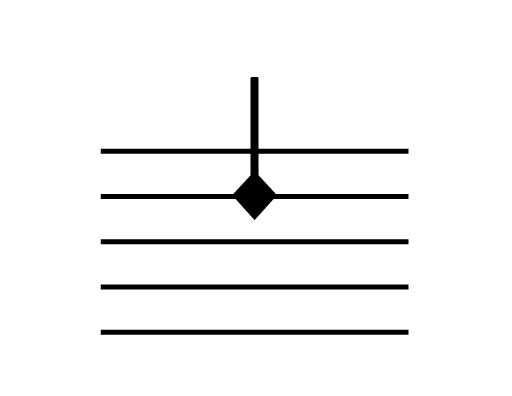
| |
| Rear Straight - Body |
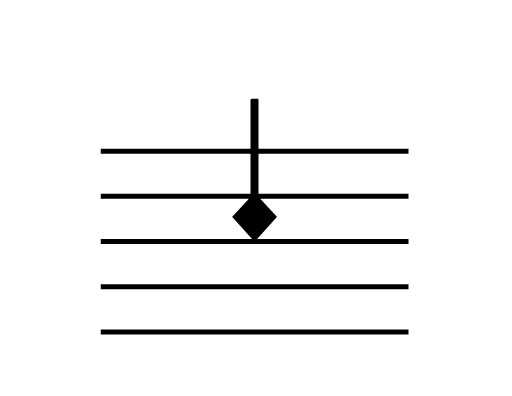
| |
| Lead Hook - Body |
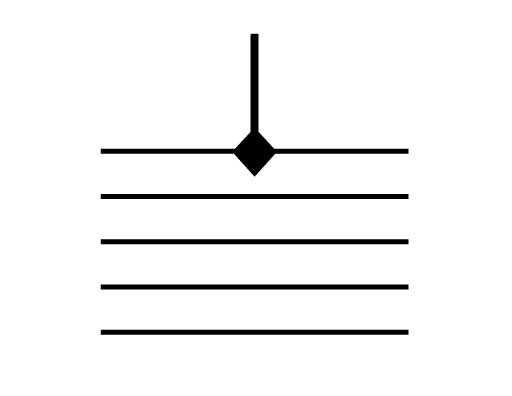
| |
| Rear Hook - Body |
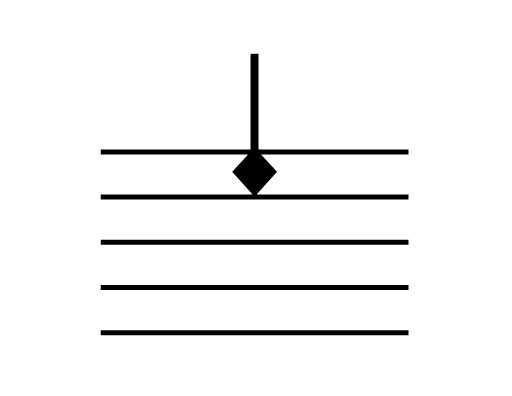
| |
| Lead Uppercut - Body |
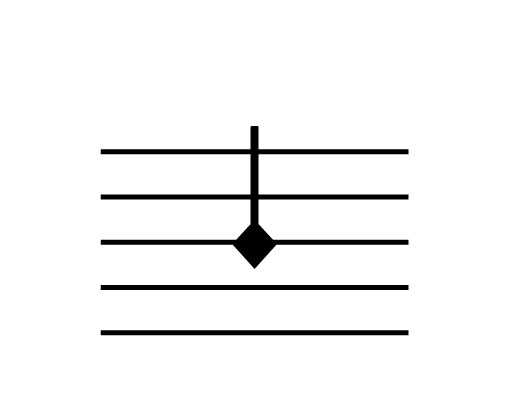
| |
| Rear Uppercut - Body |
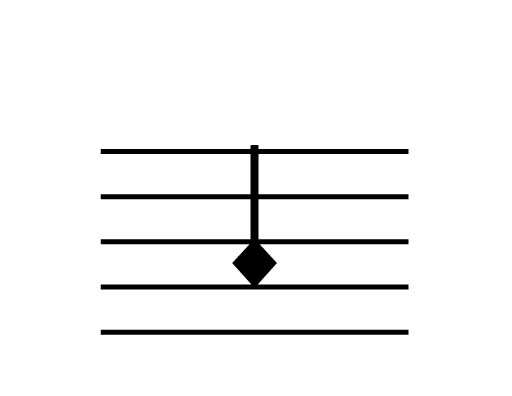
|
Based on this, we can convert the following combination composed solely of offense elements.


Assigning Sound to the Defense Part
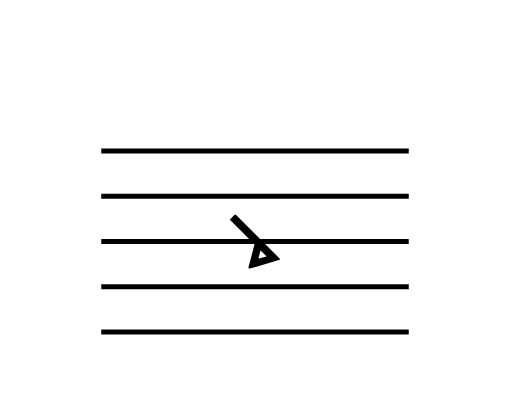
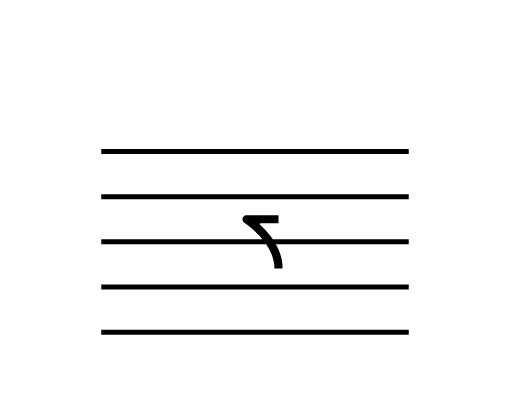
Since the defense symbols do not correspond to pitch elements in Sheet Boxing, I considered assigning percussion instruments. With my limited knowledge of percussion, I initially selected sounds from GarageBand that seemed easily distinguishable for the prototype.
Abstracting the Concept of Left and Right
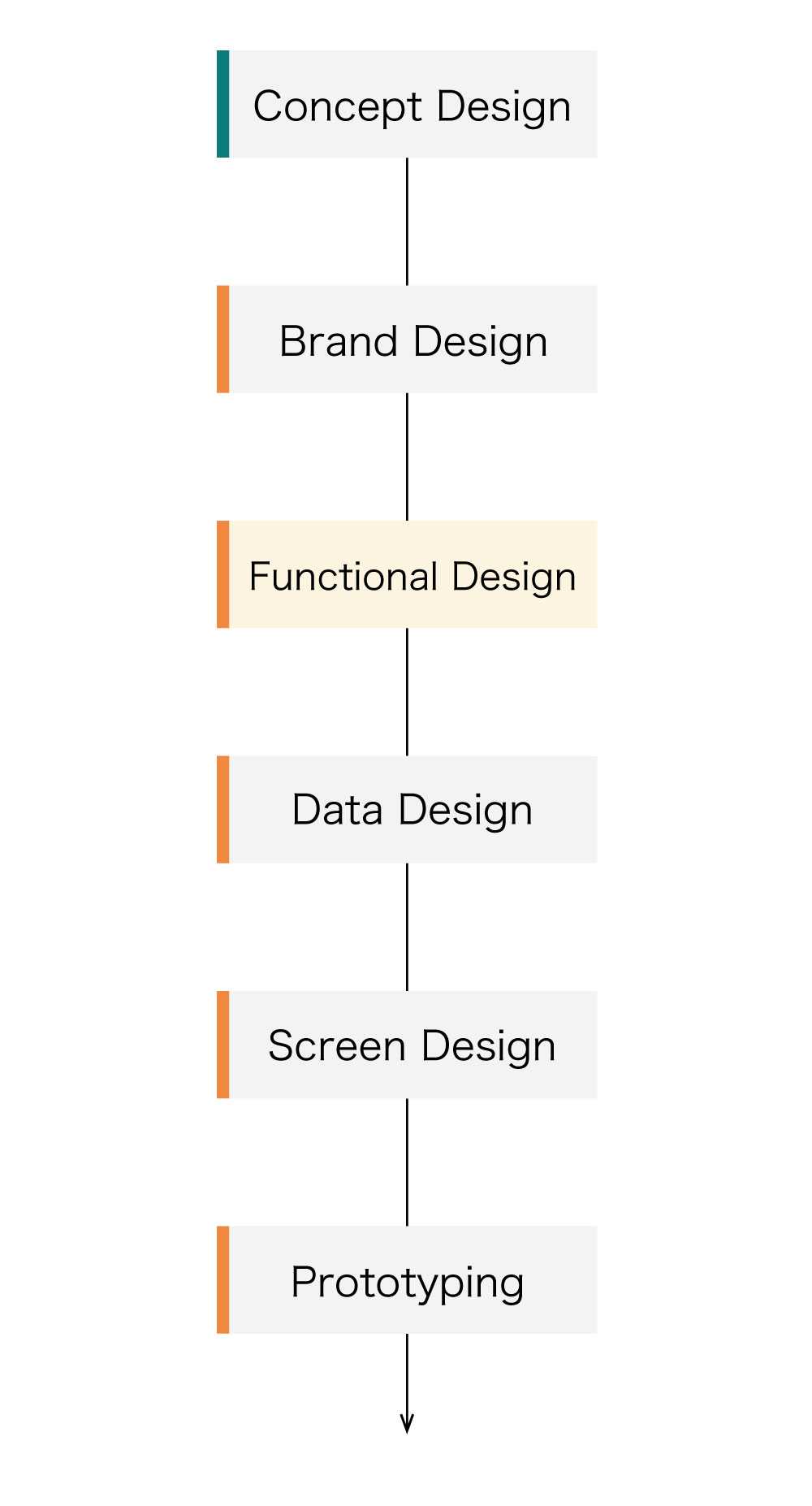
The concept of left and right presents a challenge here. While I acknowledged during concept design that left and right reverse based on a boxer’s stance (southpaw or orthodox), I made a concession to make it more intuitive for humans. However, in basic design, strict logical abstraction is necessary.
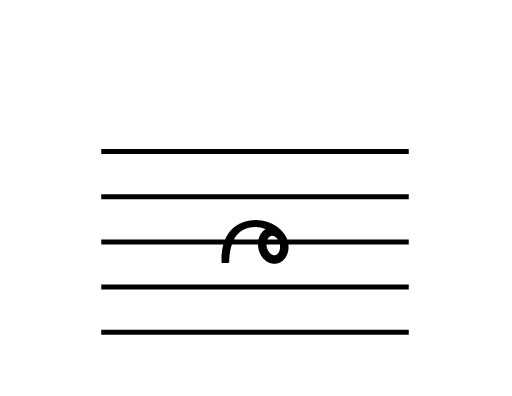
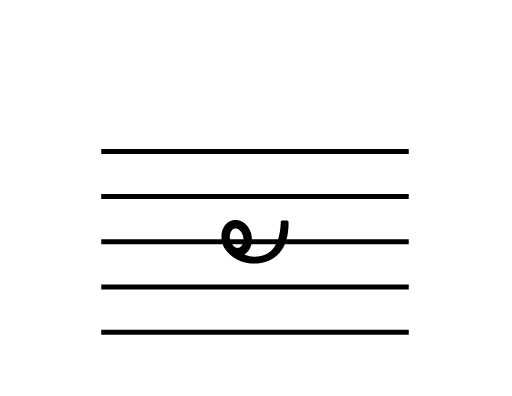
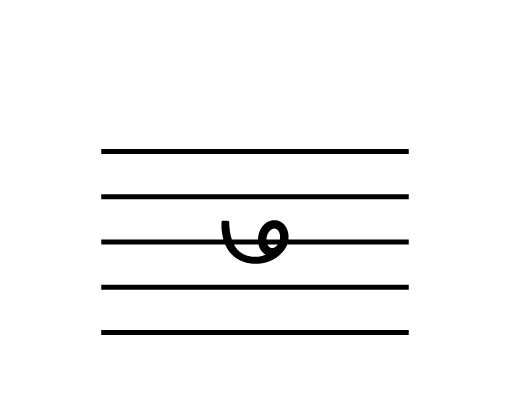
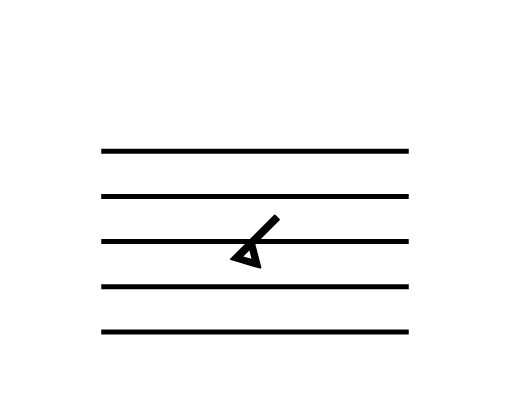
For offense, we generalize left-side actions as lead punches (jab, lead hook, lead uppercut) and right-side actions as rear punches (cross, rear hook, rear uppercut) when orthodox. Similarly, defense and stepping actions can be generalized by labeling actions as “lead” or “rear” based on which side they occur. For example, “lead head slip” represents a head slip to the left for orthodox fighters and to the right for southpaws, allowing consistent conceptual usage.
Design Principle: Abstract all left and right concepts as lead and rear.
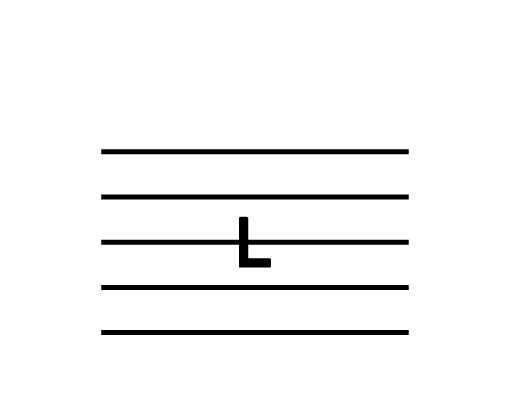
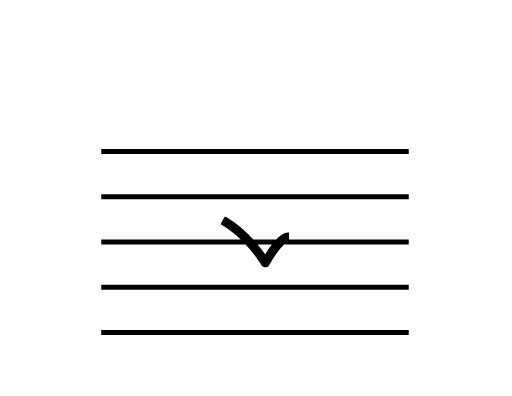
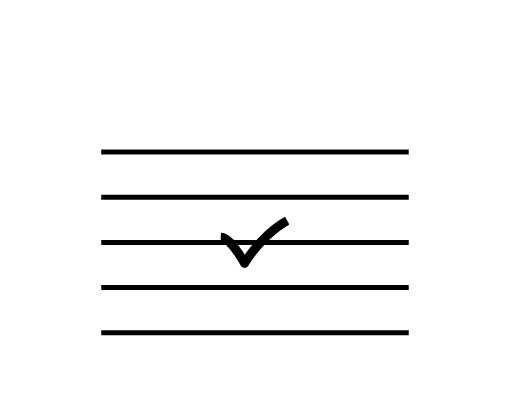
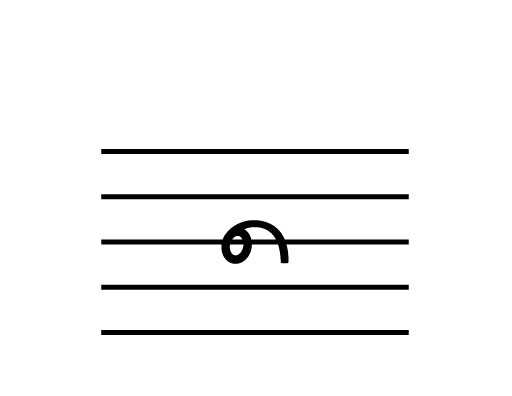
| Action Name | Score | Sound |
| Both Hands Block |
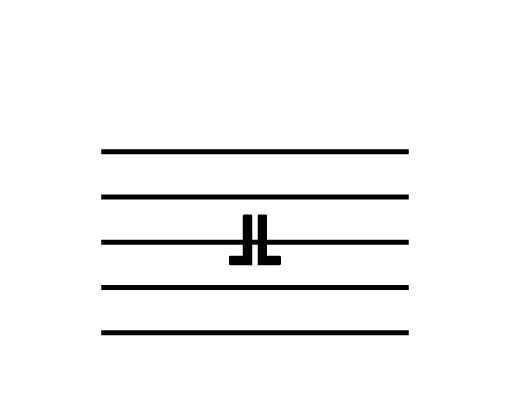
| |
| Lead Block |
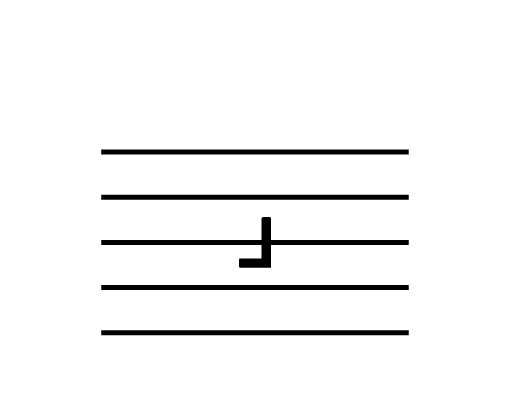
| |
| Rear Block |
| |
| Lead Parry |
| |
| Rear Parry |
| |
| Lead Head Slip |
| |
| Rear Head Slip |
| |
| Lead Weaving |
| |
| Rear Weaving |
| |
| Lead Ducking |
| |
| Rear Ducking |
| |
| Sway Back |
|
Assigning Sound to the Stepping Part
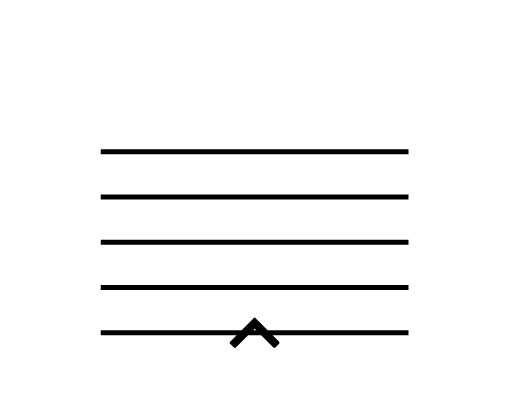
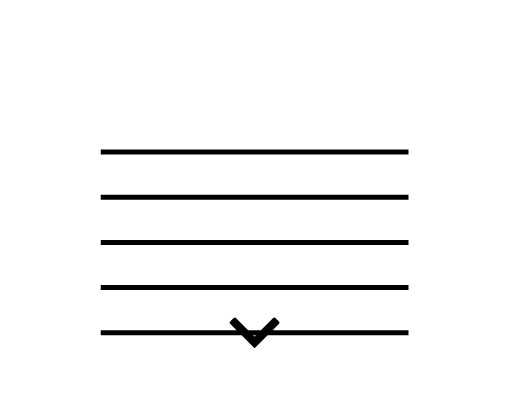
With melody assigned to offense and percussion to defense, following the three-piece band analogy, I considered assigning bass to the stepping part. Since the key signature for the boxing notation should logically be C major, we can construct the bass from C (root), G (fifth), and E (third).
A front step usually moves to a less secure distance, so it progresses musically from the stable root to the less stable fifth. A back step moves to a safer distance, progressing from the fifth to the root. Lead side steps (left for orthodox) usually seek a safe position, so they repeat the stable root. Rear side steps (right for orthodox) often move to an unstable position, so they repeat the unstable fifth. Pivoting, usually performed at an unstable distance, is represented by alternating E and G.
| Action Name | Score | Sound |
| Front Step |
| |
| Back Step |
| |
| Lead Side Step |
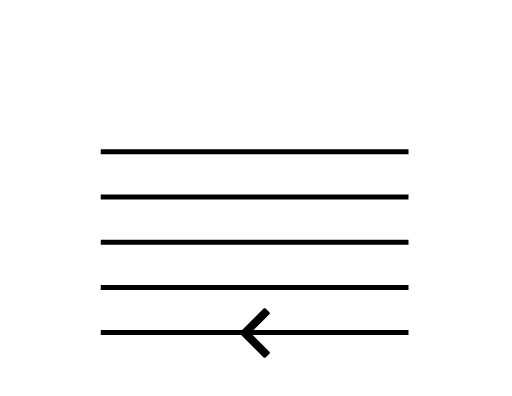
| |
| Rear Side Step |
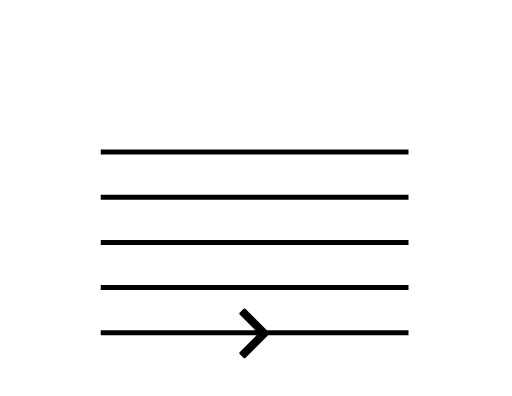
| |
| Lead Pivot |
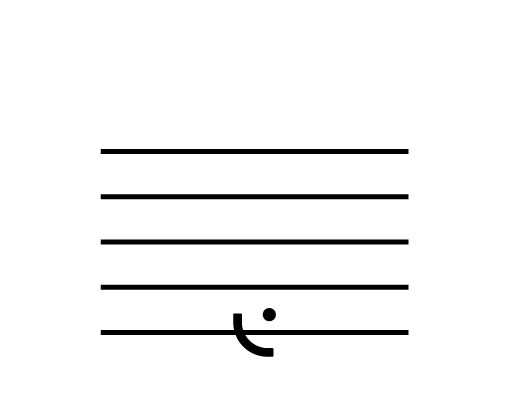
| |
| Rear Pivot |
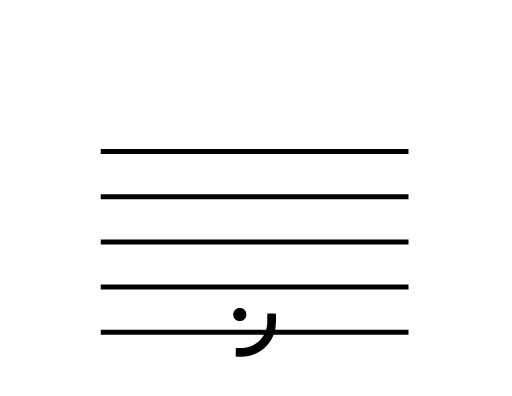
|
Musical Realization of the Score
In its journey into the world of boxing as the boxing notation, the musical staff has reconnected with sound. Below are examples of the sounds produced by Sheet Boxing.

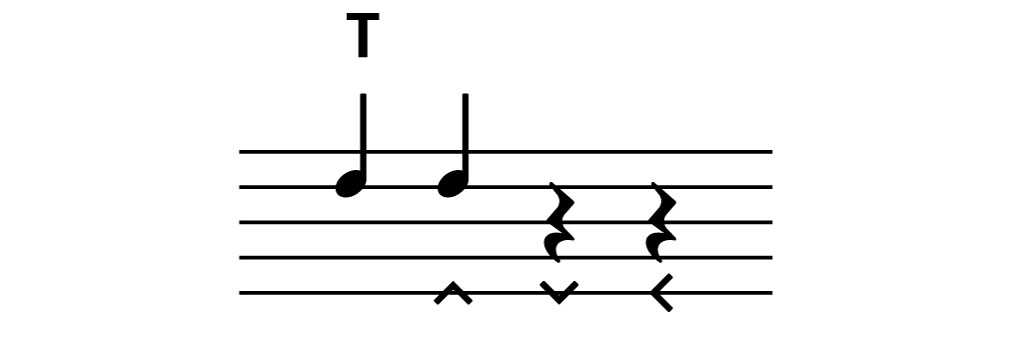
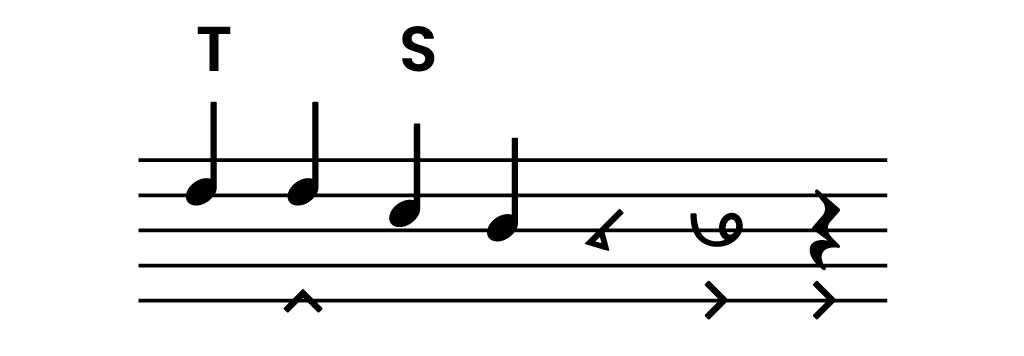
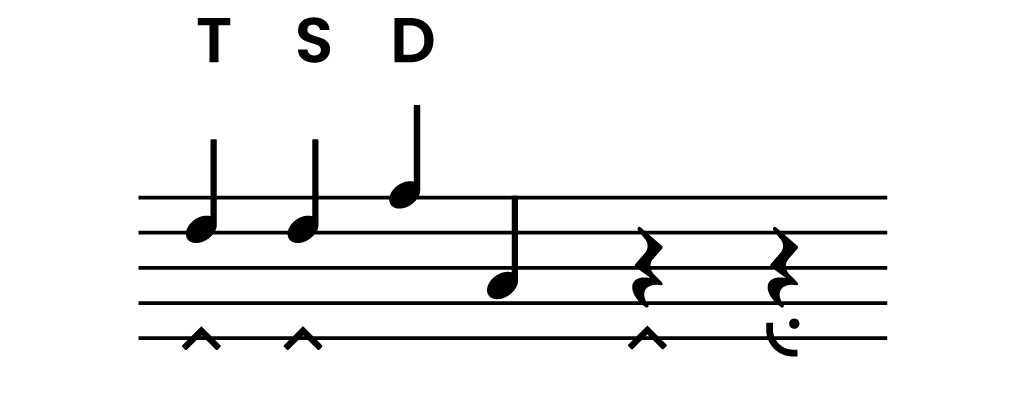
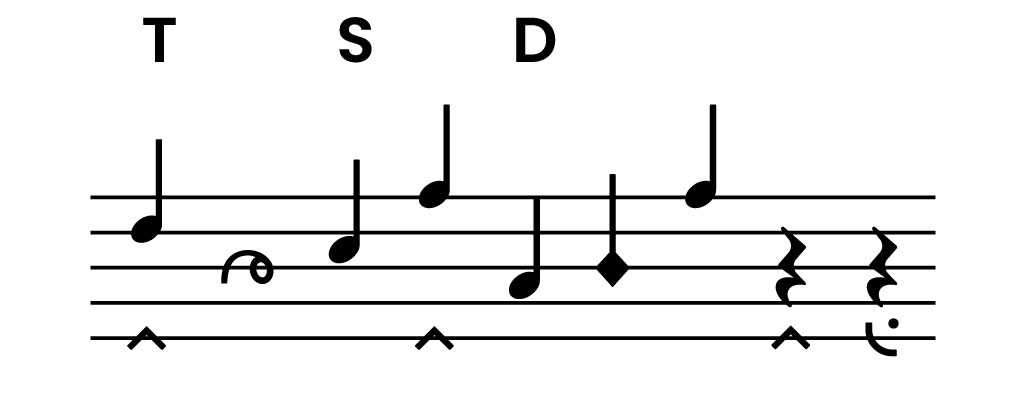
The musical structure makes it sound like actual music rather than a chaotic series of random sounds. However, I don’t think anyone would immediately visualize boxing movements from these sounds. Analyzing this three-part sound may enable listeners to distinguish each sound’s role, and training could help build the association between sound and movement.
We naturally comprehend spoken language—despite its complex rules—because our brains acquired it through training. This isn’t something we often consider, but learning a foreign language, understanding radio communications, or listening to Morse code all require training to link sound and meaning. Similarly, listening to Sheet Boxing sound will likely require some training until it becomes intuitive.
In a world full of easily accessible services, it’s uncertain how many will embrace this type of training. This is one potential issue for the service. As a design requirement, it’s essential to provide robust tools for training to help users build this new connection between sound and boxing movements.