Interpretation of One-Two
Now that we have incorporated the concept of distance into the theory, we aim to integrate distance symbols into familiar combinations, like the one-two, for practical implementation.
Tactical meaning of one-two

This is the combination that beginners practice most often. At what distance is this one-two combination supposed to be performed?
Initially, when executing a one-two at tonic distance where the jab lands only by stepping in, the movement described in the sheet above won't effectively reach your opponent. Therefore, it's advisable to initiate the first jab as you step in.
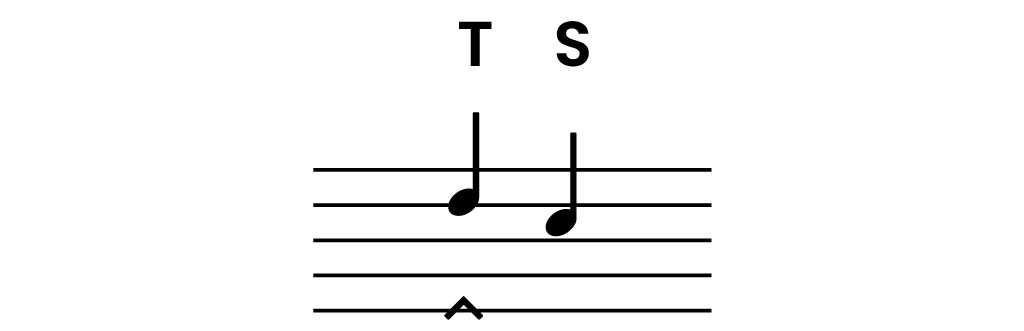
This sheet outlines the simultaneous step forward with the initial jab to establish a subdominant distance. Therefore, the straight punch you perform in the next moment will be within your opponent's reach and will land as a hit.
However, the above discussion assumes that the opponent player does not move. In reality, both players are constantly moving for their comfortable distances, and your opponent is also looking for opportunities to attack. Even without moving, if your opponent steps forward, you find yourself within the subdominant distance, where they are close enough to engage effectively. If both players simultaneously step forward, the distance between them may quickly shift to what is known as the dominant distance, where engagement is more direct and immediate. Conversely, if your opponent anticipates your forward-stepping jab and simultaneously steps back, the distance between you remains unchanged, thereby preserving the tonic distance.
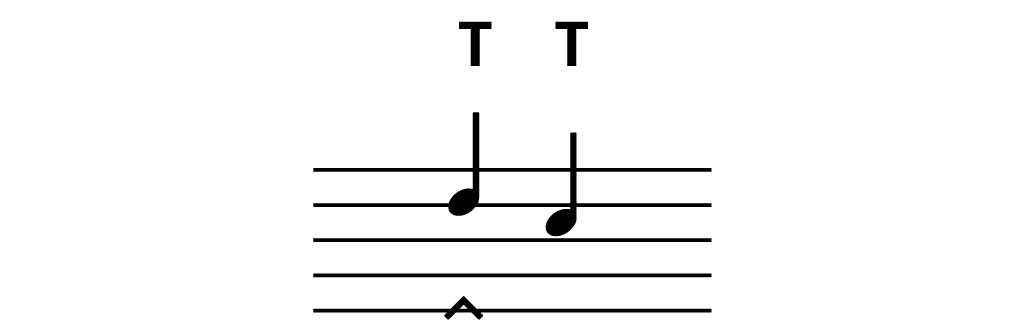
Next, let's contemplate a scenario where you execute a one-two combination while at subdominant distance. If you and your opponent have equal reach in your punches, a one-two at subdominant distance is effective for both players. Essentially, executing a simple one-two in this position equates to directly confronting your opponent head-on.
In the case of dominant distance, the limited space doesn't allow a straight punch to fully extend and reach its maximum effectiveness. Consequently, deploying a jab, which inherently possesses less power, lacks tactical merit in this setting, making the use of a one-two combination impractical.
Based on the aforementioned considerations, it becomes clear that one-two combinations are usually initiated at tonic distance. They are typically executed with the strategy of landing a right straight while simultaneously stepping into subdominant distance.
Punches intended to land
Combinations in boxing are strategically designed to delay the opponent's reaction through a succession of punches, ultimately facilitating the landing of these punches. However, not every punch in a combination is intended to make contact with the opponent. In sheet boxing notation, a hat symbol is employed to differentiate between punches aimed to hit the opponent and those serving as setups.
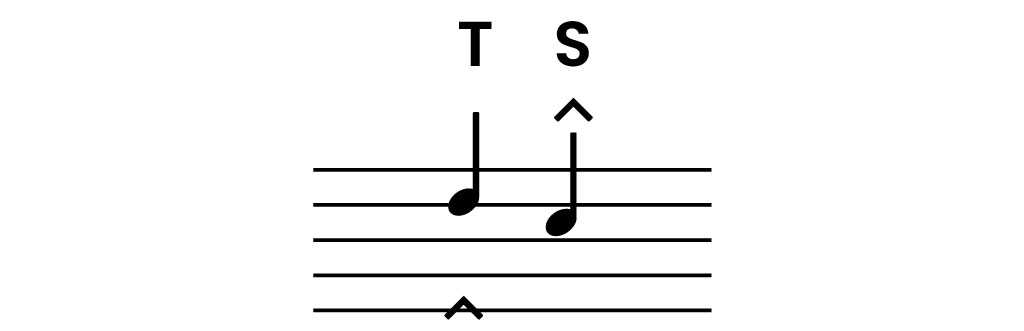
In the previously mentioned one-two combination, if executed proficiently, the initial jab might elude the opponent's glove due to their delayed reaction. However, the primary punch intended to land is the straight right. Therefore, a hat symbol should be placed above the right straight to indicate this emphasis.
Tactical meaning of one-two, hook
We will analyze the tactical implications of the one-two hook, a combination frequently utilized during mitt training.
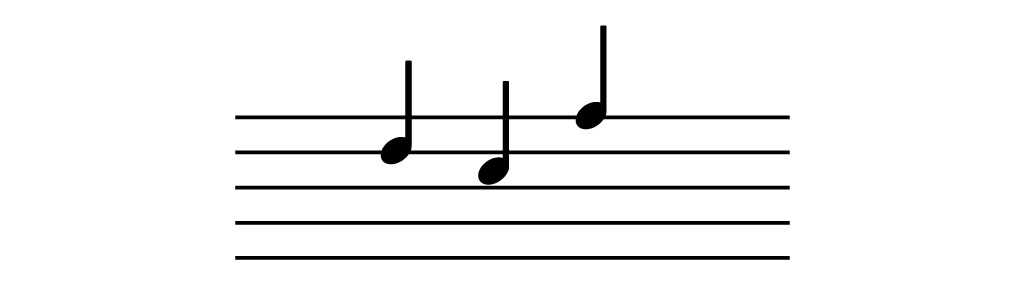
In a basic one-two, the approach is to move in from tonic distance and land a straight right. If your opponent responds by stepping back at the end of your right straight, the distance reverts to tonic. In this scenario, a hook would likely fail to reach, since only a step-in jab is effective at tonic distance. This indicates that the one-two hook combination typically does not consider the opponent's potential step-back reaction.
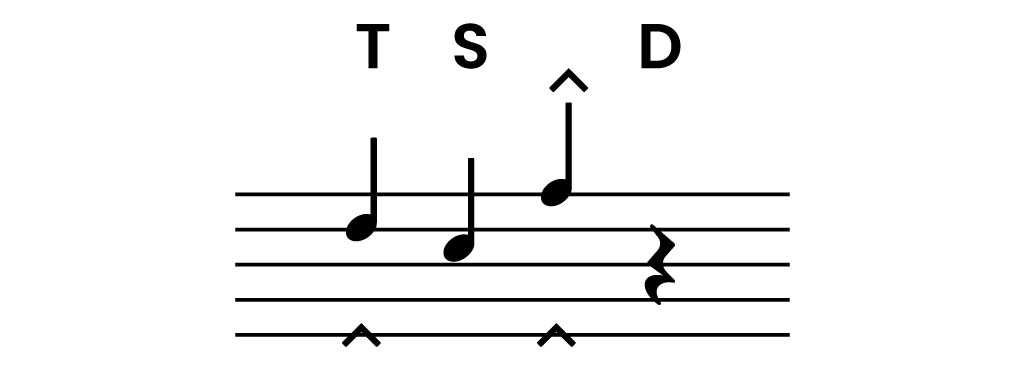
If you regularly practice short hooks following a one-two without moving forward, it suggests an alternate premise. Specifically, by the time you launch the right straight, your opponent has already closed the gap, bringing themselves into the dominant distance where your hook can effectively reach them. This situation arises when your opponent reacts to your jab and then advances while dodging your straight right. To depict the opponent's actions, using a duet format can clearly demonstrate this sequence, as exemplified in the following representation.
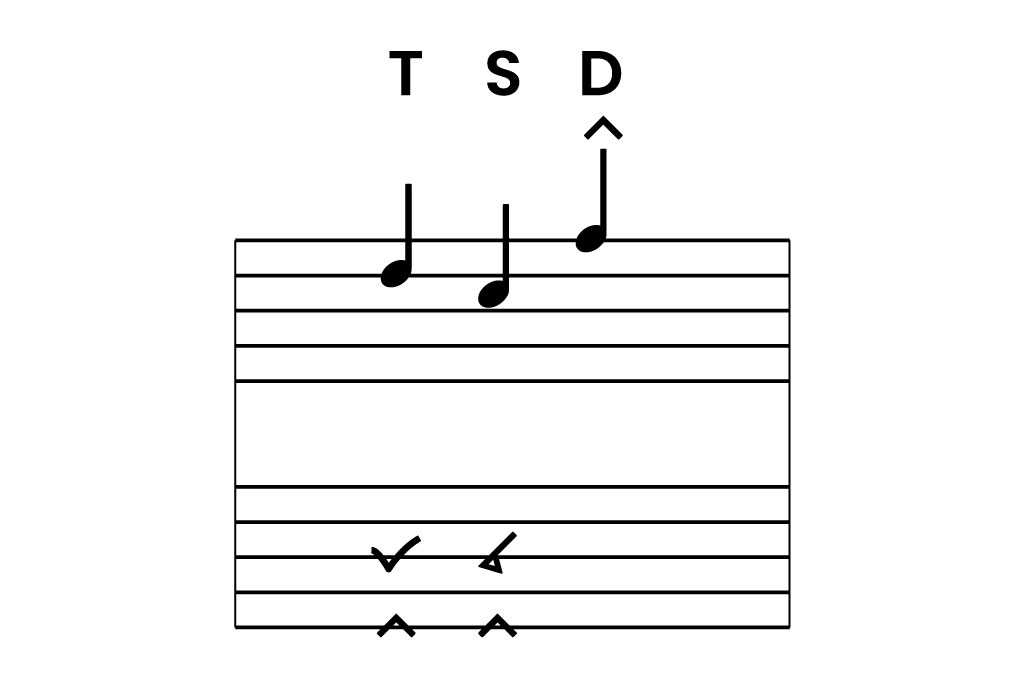
In mitt training, the trainer often moves the mitt towards you to ensure the hook lands. However, when considering combinations suitable for beginners, it's worth questioning whether it's essential to learn how to counter an opponent who ducks under a right straight and steps forward.
Standard movement
In real-world boxing, individual movements differ among fighters due to factors like strength, speed, technique, reach, and step size. However, for tactical analysis in boxing, we initially assume uniform physical conditions and identical movements across all fighters. Movements derived from this premise are termed 'standard movements.' By negating physical and skill disparities, this approach allows us to concentrate solely on the tactical elements. Once a framework is established within this standard movement paradigm, we can then develop tactical theories under varied assumptions, such as facing an opponent with superior strength or longer reach.