Representing Boxing Actions in Text
The internet is full of endless debates. Who is the strongest character in anime? Who is the cutest? Should ramen be eaten by starting with the noodles or sipping the soup first? And, of course, people argue about political contradictions from every conceivable perspective.
These online forum discussions are possible because it’s easy to express opinions in text. However, delving into the tactical aspects of boxing hasn’t enjoyed the same accessibility for casual online debate. This remains true even after the invention of the boxing score.
In this article, we’ll explore a simple yet precise way to represent boxing combinations using only text.
The Explosion of Combinations
At a glance, boxing seems like a simple sport: two arms extending and retracting to attack. However, as soon as you consider three- or four-punch sequences, the possible combinations explode.
Broadly speaking, the basic punches include straight, hook, and uppercut in three different trajectories. Each can be performed with either the left or right hand, and each can target the head or the body, making for a total of:
3 x 2 x 2 = 12
So, there are 12 types of offensive moves. This series defines 12 defensive moves and 6 types of steps. Assuming offensive, defensive, and step moves are independent of each other, a single boxing action involves:
12 x 12 x 6 = 864
possible combinations. Considering only three moves strung together results in 864^3, yielding 650 million combinations. Clearly, assigning numbers sequentially to all these variations wouldn’t be effective. Consequently, we can’t rely on a primitive method like assigning specific combinations to fixed numbers.
Boxing Identifier Format
One identifier I frequently encounter as a programmer is the CVE. CVE refers to an identifier assigned to vulnerabilities found in software, commonly used in the field of information security. A typical example of a CVE looks like this:
CVE-2024-23653
The CVE format consists of CVE-[year]-[sequence number]. This approach of using hyphens to separate meaningful segments could be applied to identifiers for boxing combinations as well.
Let’s examine the components that make up boxing movements. Boxing movements include offense, defense, and stepping. Sometimes, the action involves only punching, while at other times, it involves stepping while punching. There are also instances where the fighter stays in place to defend or steps in while defending. Considering the overhand as a combination of a punch and head slip, we can conclude that boxing movements consist of three independently combined elements: offense, defense, and stepping.
The fact that boxing actions are composed of independently combined offense, defense, and stepping means that they can be represented by a structure with three parts. Therefore, we will represent a single boxing action as a collection of three numbers.
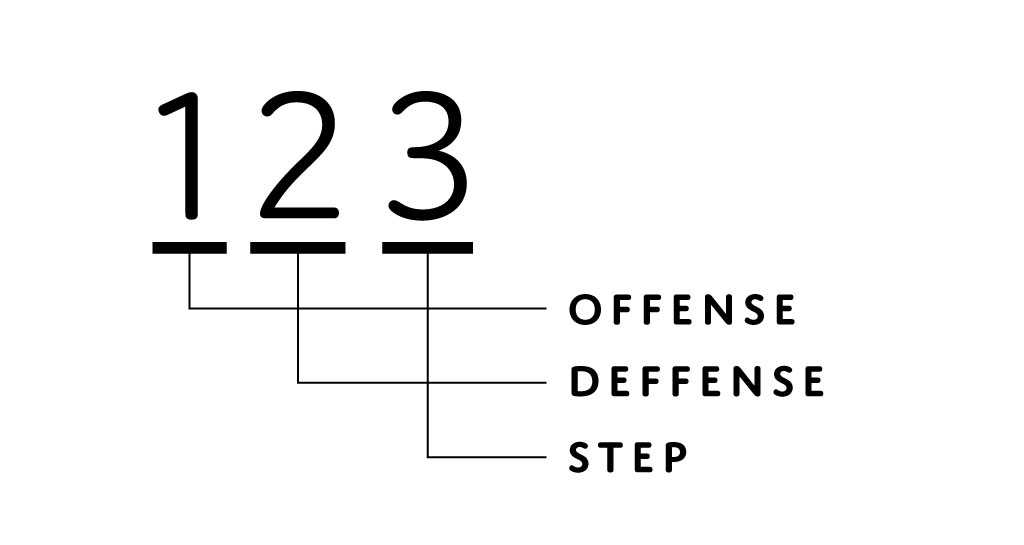
Assigning Numbers to Actions
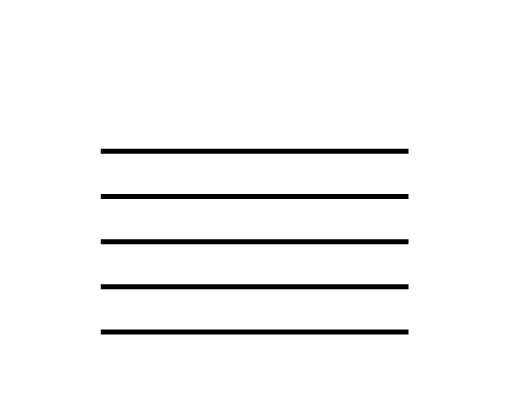
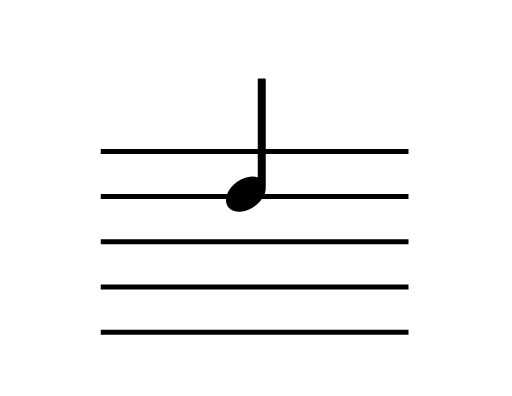
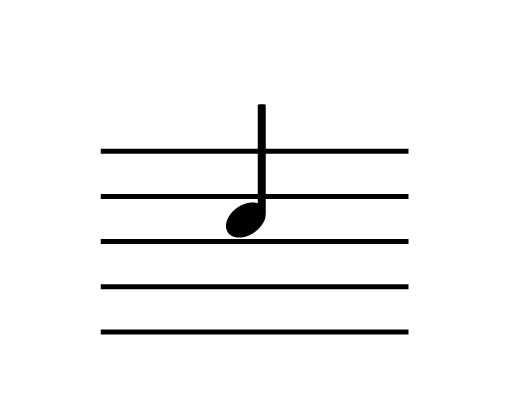
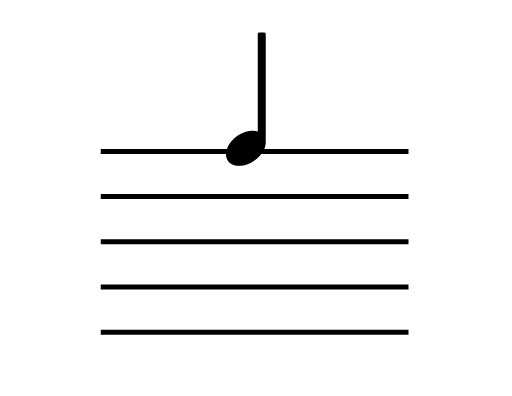
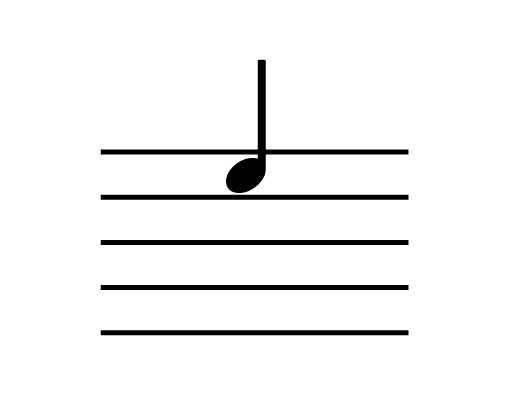
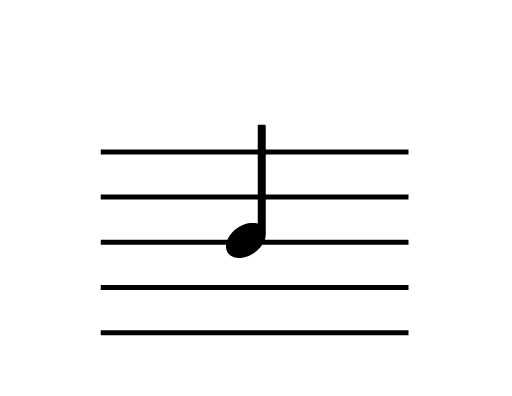
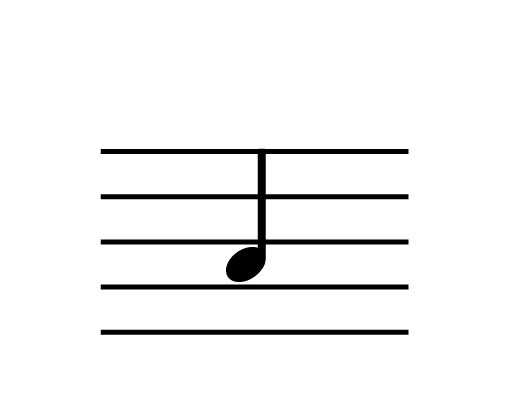
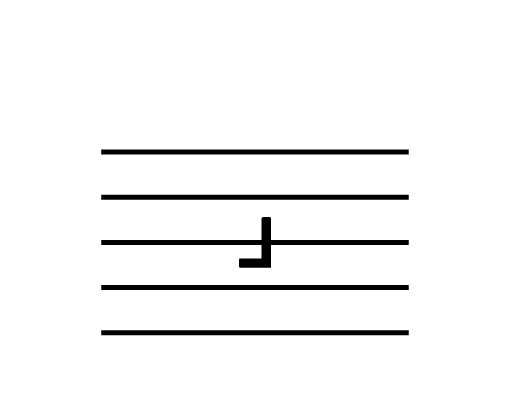
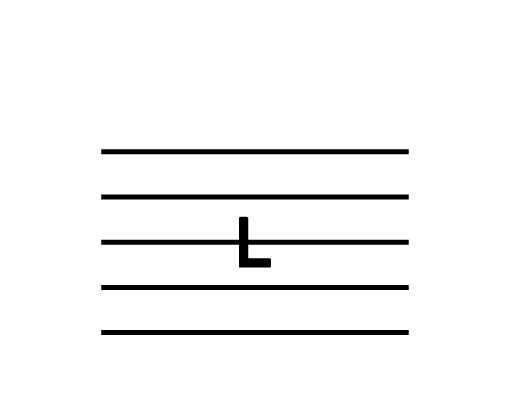
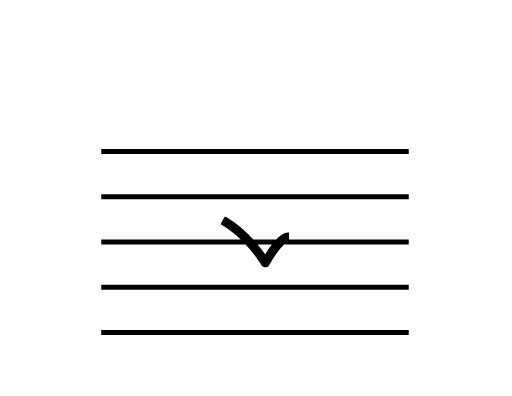
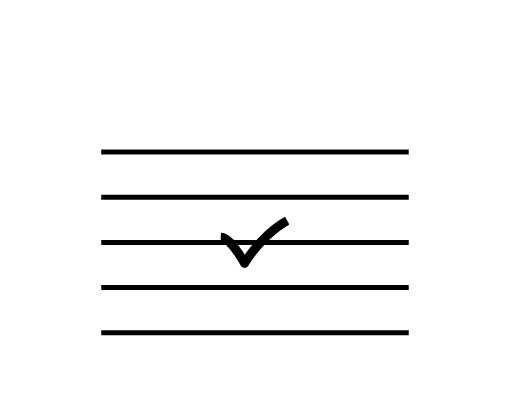
We assign numbers to each possible action within the offense, defense, and stepping parts. As previously noted, there are 12 possible offensive actions, 12 defensive actions, and 6 stepping actions. In practice, we also need to consider the “do nothing” state, resulting in 13, 13, and 7 possible states for offense, defense, and stepping, respectively. To avoid lowering identifier readability by displaying numbers in double digits, we represent the offense and defense parts in base-13 notation. Specifically, we assign letters to values exceeding 9, with the 10th position represented by "a," the 11th by "b," and so forth.
Offense Action Numbers
| Number | Offense Action |
| 0 |
|
| 1 |
|
| 2 |
|
| 3 |
|
| 4 |
|
| 5 |
|
| 6 |
|
| 7 |
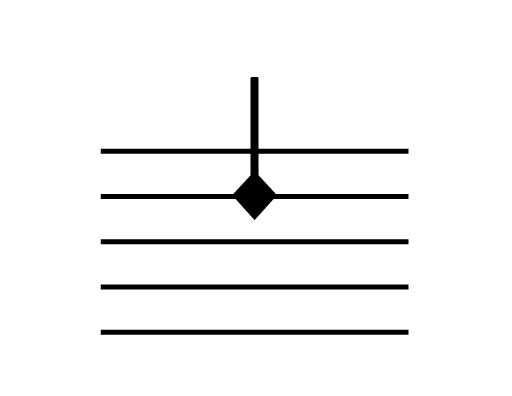
|
| 8 |
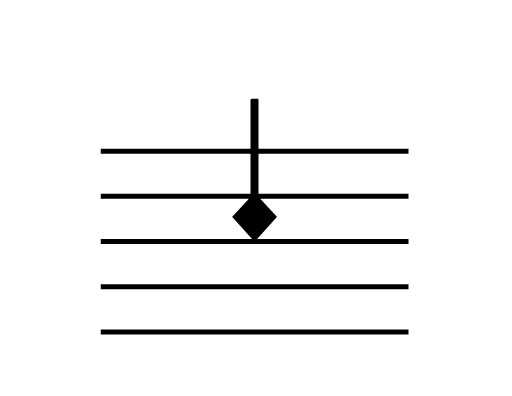
|
| 9 |
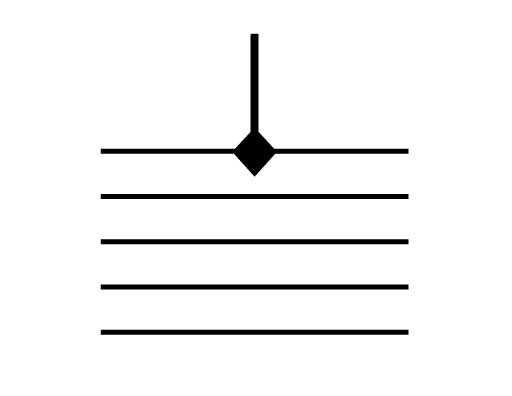
|
| a |
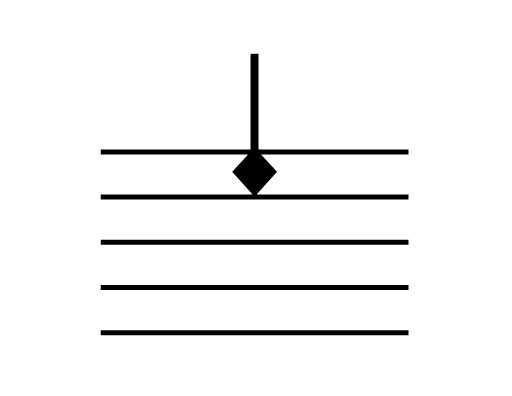
|
| b |
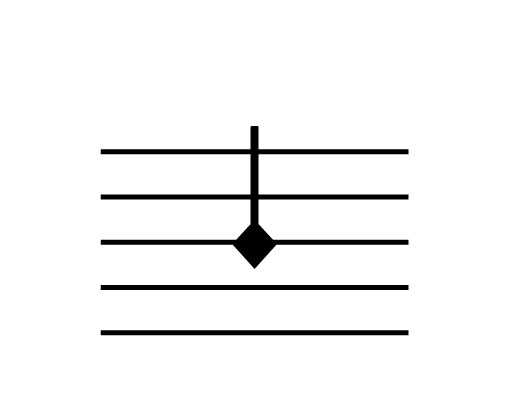
|
| c |
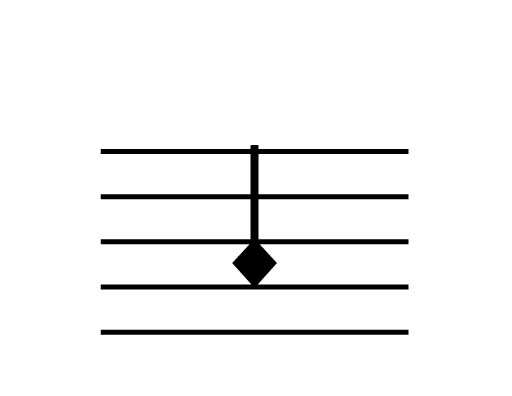
|
Defense Action Numbers
| Number | Defense Action |
| 0 |
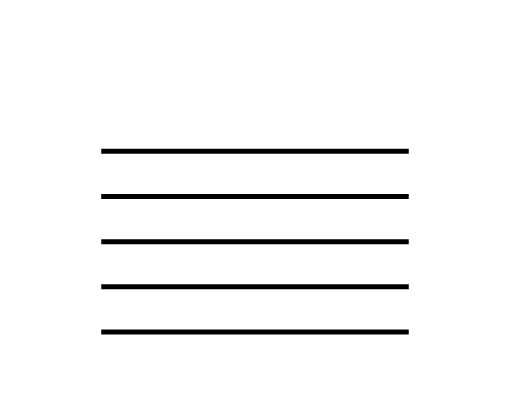
|
| 1 |
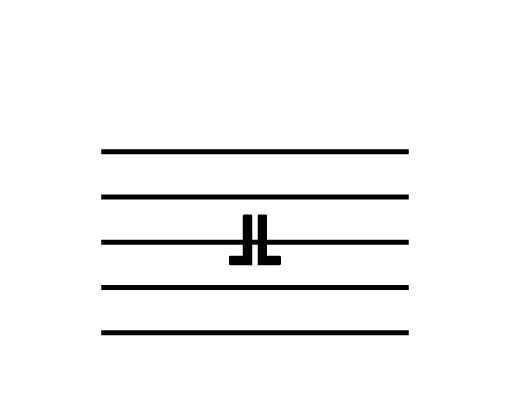
|
| 2 |
|
| 3 |
|
| 4 |
|
| 5 |
|
| 6 |
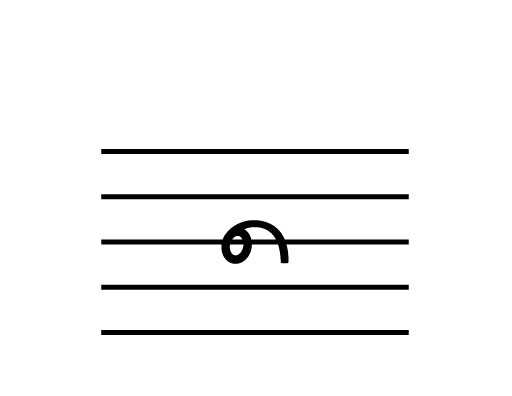
|
| 7 |
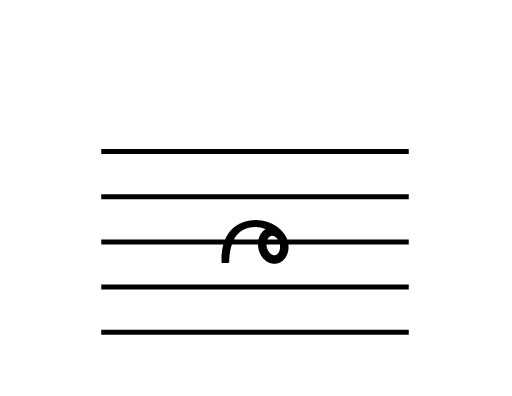
|
| 8 |
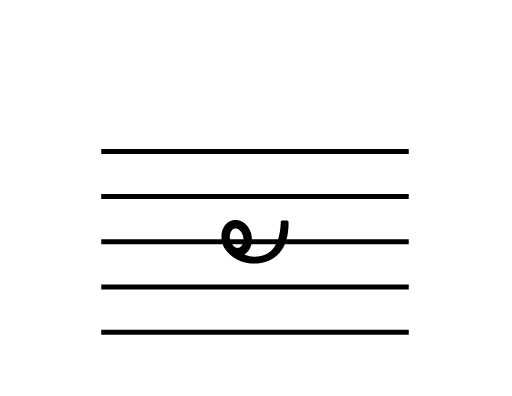
|
| 9 |
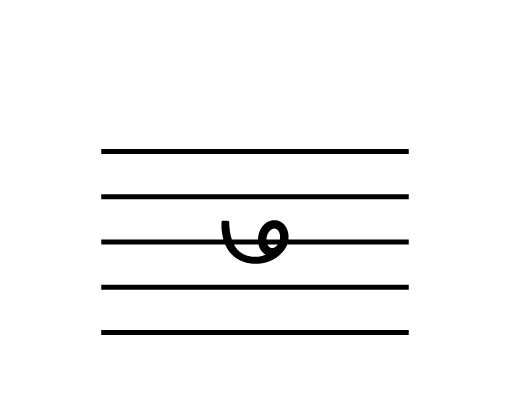
|
| a |
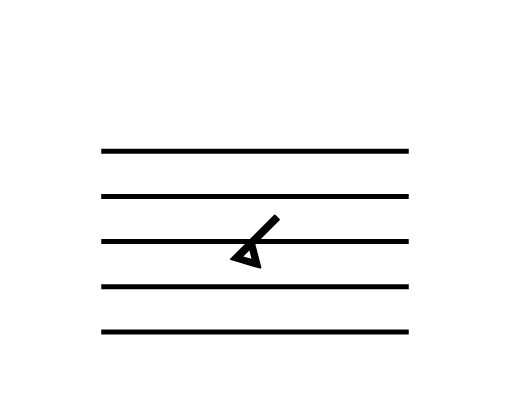
|
| b |
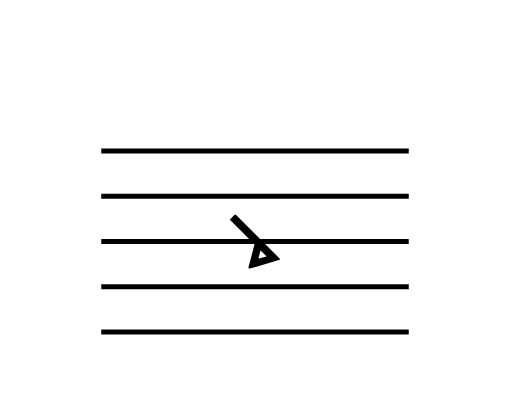
|
| c |
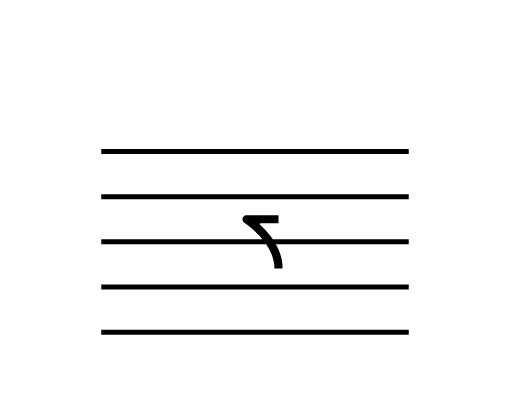
|
Step Action Numbers
| Number | Step Action |
| 0 |
|
| 1 |
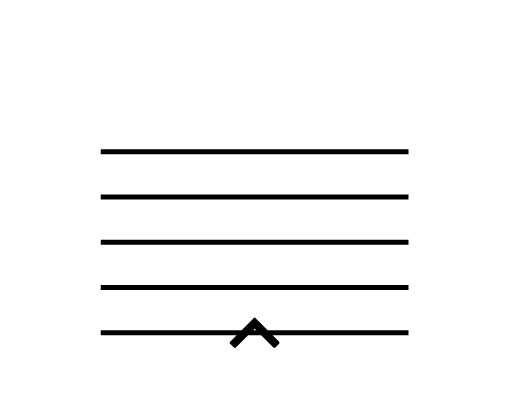
|
| 2 |
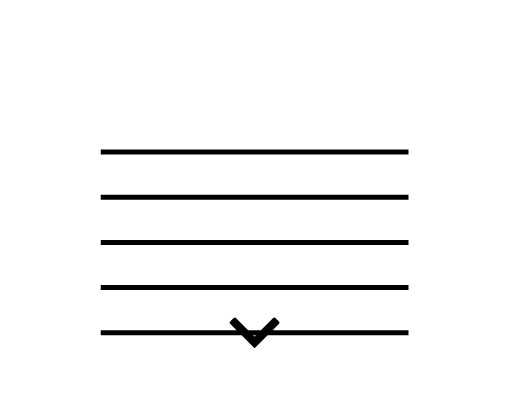
|
| 3 |
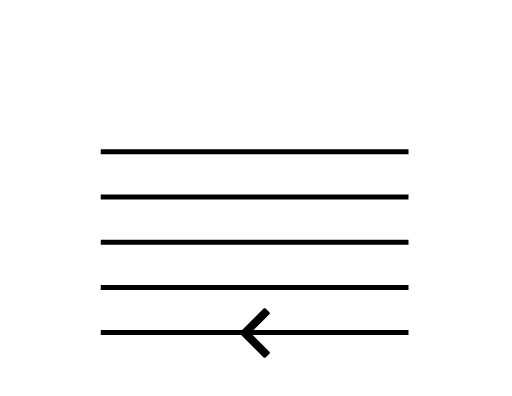
|
| 4 |
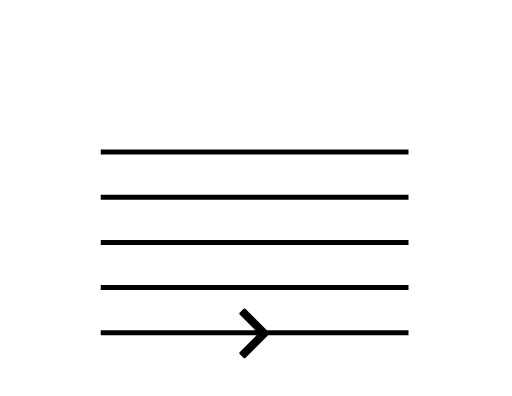
|
| 5 |
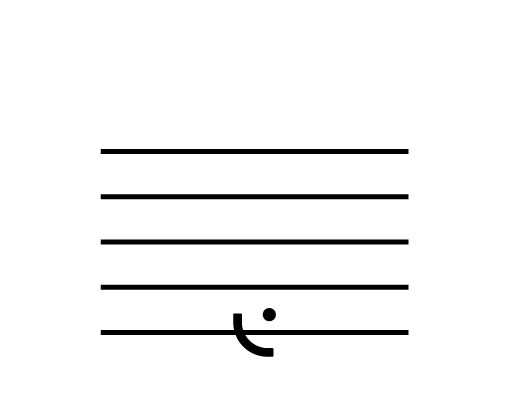
|
| 6 |
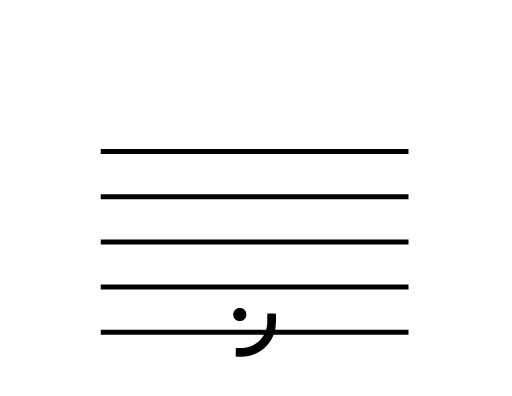
|
Literal Representation of the Boxing Score
We’re now ready to represent boxing movements solely with text. Let’s call this the literal representation of the boxing score. Here are a few examples.
When there are multiple actions, we’ll connect them with hyphens.

100-200

101-200

101-260
Let’s try expressing a slightly more complex score with text, referencing the cadence examples in Shadow Boxing as Cadence.
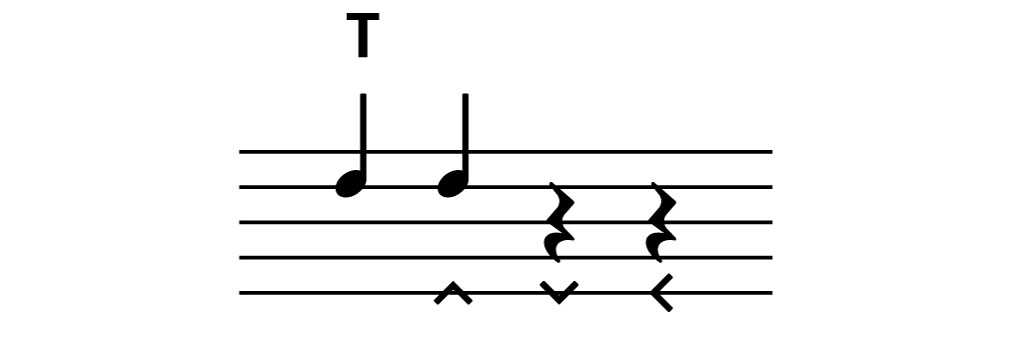
100-101-002-003
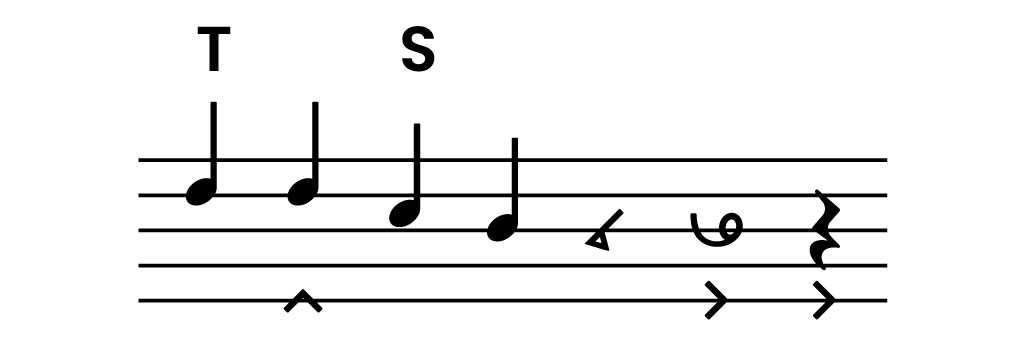
100-101-200-500-0a0-094-004
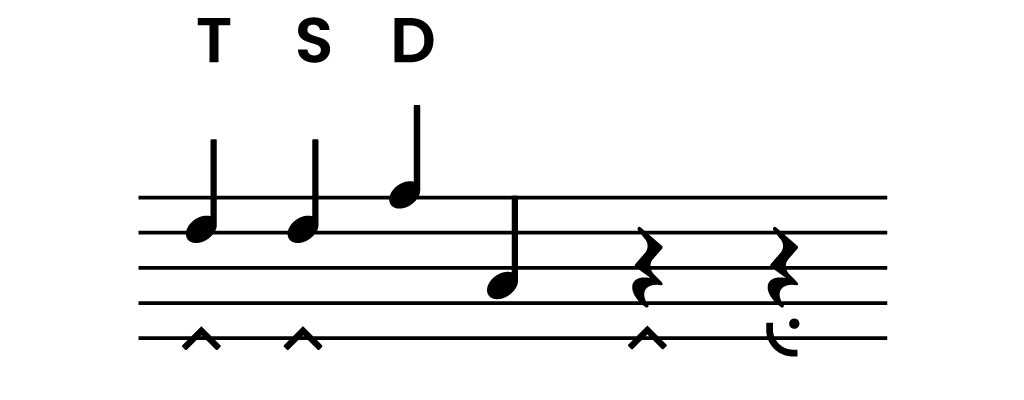
101-101-300-600-001-005
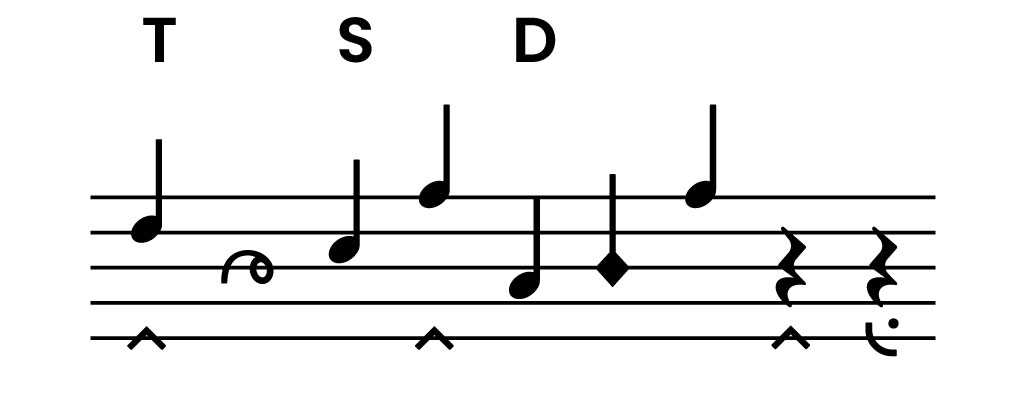
101-070-200-301-600-b00-300-001-005
If the sequence of numbers clearly represents a boxing combination, no prefix is necessary. However, when it’s helpful to indicate that the text represents boxing symbols, we can add an identifier at the beginning. This also clarifies the rules for the sport, especially if extended to other martial arts, like kickboxing. For boxing, we’ll use CIB for "Combination Identity of Boxing."
CIB-100-101-002-003
Literal Representation of Rhythm
To differentiate rhythms within the score, we’ll vary the character connecting actions. Specifically, we’ll use “-” for quarter-note rhythms and “=” for eighth-note rhythms.
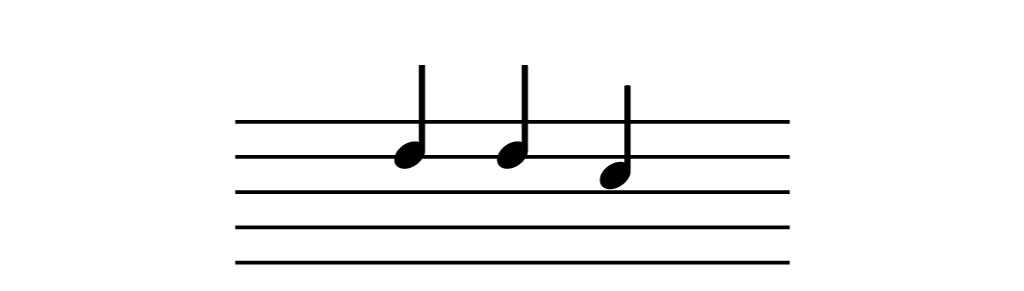
100-100-200
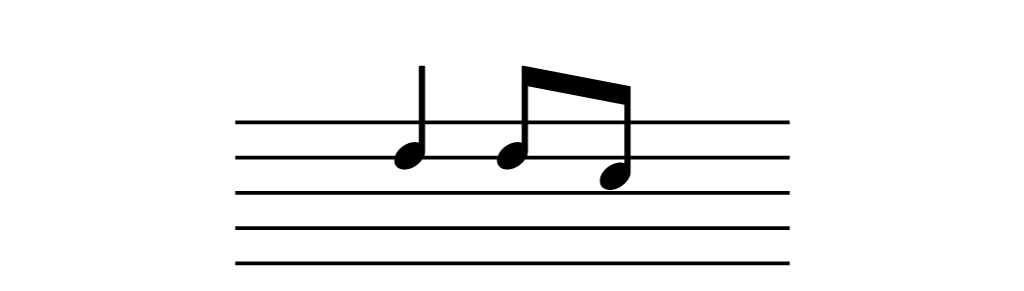
100-100=200
Literal Representation of Distance
When representing distance markers, we’ll add T, S, or D at the beginning of each action to indicate the range.
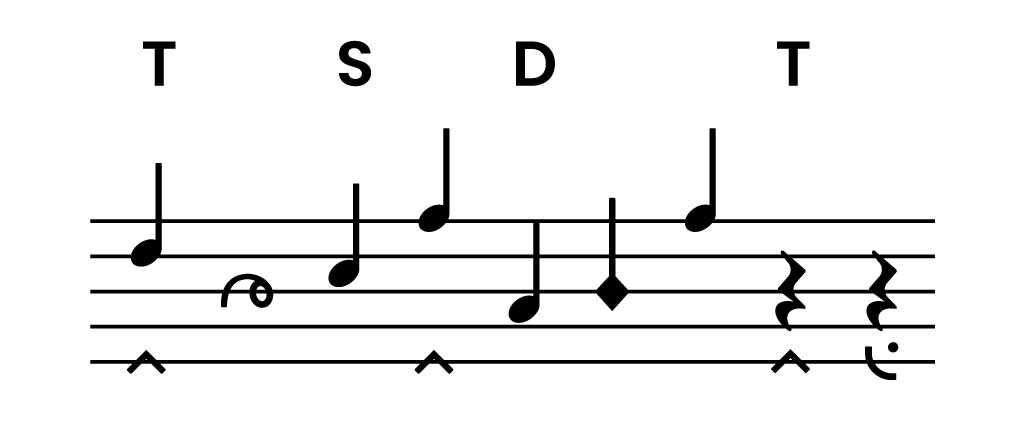
T101-070-S200-301-D600-b00-300-T001-005
Discussing Boxing Content Online
With these considerations, we can now discuss boxing in more detail on online forums and social media.
Anonymous1: The finishing blow was 500, but I think taking that 101-300 in the previous round really had an effect.
Anonymous2: >Anonymous1 It wasn’t 300 in round 9; it was b00. And the real impact came from the counter 200 more than anything else.
Anonymous1: Huh? I never said anything about b00. I’m talking about how the flow of 101-300-b00 worked as a setup for round 10.
Anonymous2: Have you even boxed before? Stop acting like a critic and try some sparring first—you’ll get it.
Anonymous1: >Anonymous2 KYS
Anonymous3: Reported.
In this way, using only text, we can now engage in petty arguments online about the tactical details of boxing.